Say Botox and most people picture a smoother forehead. That is the treatment that made it famous, but it is a small slice of what the same product actually does. Botox is a muscle relaxer, and once you understand it that way, a lot of uses that have nothing to do with wrinkles start to make sense. I want to walk through the ones people ask me about most, because knowing they exist can change what you bring up at a consultation.
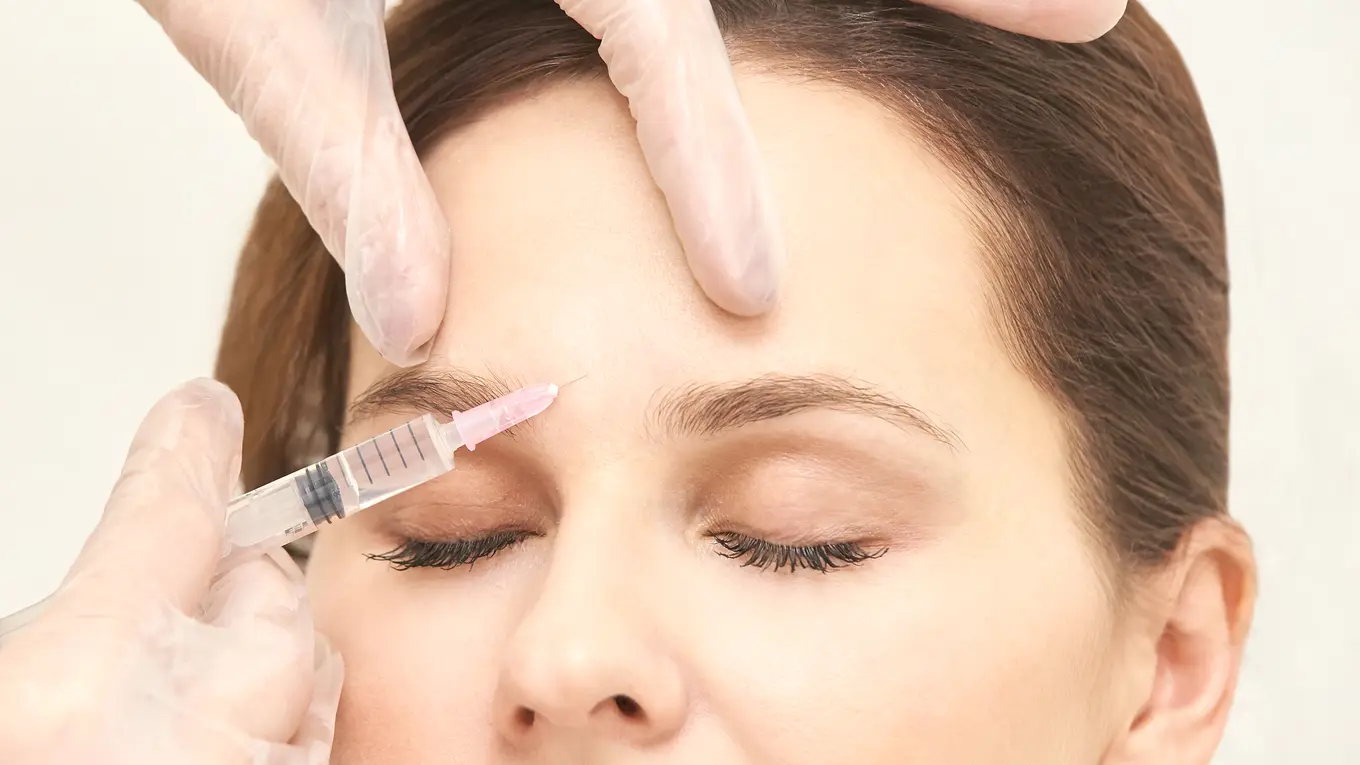
The one-sentence version of how it works
Botox and its cousins temporarily quiet the signal from a nerve to a muscle, so the muscle relaxes. On the forehead that softens the crease a frown makes. But a muscle is a muscle, and the same quieting effect can slim an overactive one, release a band that pulls, or calm a gland that overworks. The wrinkle version is just the most famous application of a much more general tool.
Jaw slimming and teeth grinding
The masseter is the thick muscle at the corner of your jaw, the one that bulges when you clench. In some people it is naturally strong or overworked from grinding, and it gives the lower face a wider, more square outline. Placing Botox into the masseter lets it soften over a few weeks, which can slim the jaw into a more tapered shape and, just as usefully, ease the grinding and jaw tension that come with a clenching habit. People who came in for the aesthetic result often stay for the fact that their jaw stopped aching in the morning. It builds gradually and wears off gradually, so this is a patience treatment, not an overnight one.
Neck bands and the lower face
As we age, the platysma, a broad sheet of muscle in the neck, can start to show as vertical bands or pull down on the jawline. Carefully placed Botox can relax those bands and soften that downward pull, which reads as a slightly cleaner neck and jaw. It is not a neck lift and it will not remove loose skin, but for the right person it is a subtle, useful refinement. This is a genuinely technique-dependent area, so it is one where the skill of the person holding the syringe matters more than usual.
Once you see Botox as a muscle relaxer rather than a wrinkle eraser, half its uses stop being surprising.
The gummy smile and other small fixes
A tiny amount placed near the upper lip can lower a smile that shows a lot of gum, softening the pull just enough to change the balance. Small doses can also soften the dimpled chin some people get, or ease the downward turn at the corners of the mouth. These are precise, low-dose treatments where a millimeter matters, which is exactly why they belong with an experienced injector and not a discount coupon.
Sweat, and the treatment nobody talks about
This is the one that changes lives quietly. Botox is a well established treatment for excessive underarm sweating, and it works by calming the sweat glands in the treated area. For someone who plans their wardrobe around sweat marks, a treatment that keeps the underarms dry for months is not a vanity thing, it is a confidence thing. The same idea gets used in other stubborn areas as well. If sweating is something you have quietly managed for years, it is worth knowing this option is on the menu.
What all of these share
A few honest through-lines. First, none of these are permanent. Like forehead Botox, they fade over months and need repeating to maintain, and the muscle-slimming ones can gradually need less over time as the muscle stays quieter. Second, dosing and placement for jaw, neck, and lip work are more advanced than a standard forehead treatment, so this is not the place to chase the cheapest price. Third, results build. If you want a slimmer jaw by next week, this is the wrong tool. If you are willing to give it a month or two, it delivers.
The practical takeaway is to stop thinking of Botox as a wrinkle product and start thinking of it as a muscle tool with a surprisingly wide range. If a strong jaw, morning clenching, neck bands, a gummy smile, or relentless sweating is on your mind, those are all legitimate consultation topics, not fantasies. The right first step is simply to name the concern out loud and ask what is realistic, and the honest place to do that is a real assessment. If any of this is on your list, it is worth taking a minute to schedule a consult with a provider who can look at your face and tell you plainly whether it fits.

You may find the answer is yes to something you never knew was treatable, or a candid no to something that would not suit you. Either way, you walk out knowing more than the wrinkle-only story most people carry around.