People say Botox and filler in the same breath, as if they are two flavors of the same thing. They are not. They are close to opposites. One relaxes muscle, the other adds volume. Once that clicks, most of the confusion around injectables falls away, and you can walk into a consult actually knowing what you are asking for.

Let me break both of them down the way I explain it to friends who text me before their first appointment.
What Botox actually does
Botox, and its cousins like Dysport and Xeomin, are neuromodulators. The short version is that they temporarily quiet the specific muscles that create movement wrinkles. The lines that show up when you frown, raise your brows, or squint. When those muscles relax, the skin over them stops creasing so hard, and the lines soften.
The key word is movement. Botox works on the wrinkles you make, not the ones that sit on your face while it is completely still. That distinction is the single most useful thing to understand about it. Crow's feet when you smile, the horizontal lines across your forehead, the vertical crease between your brows, those are its home turf.
It is not instant. It usually takes a few days to start showing and lands fully somewhere around two weeks. Then it fades gradually, and for most people the effect lasts in the range of three to four months before movement returns and you decide whether to go again. It is not permanent, which is honestly a feature. If you hate it, you wait, and it leaves.
What filler actually does
Filler is a different animal. Most of the popular ones are made from hyaluronic acid, a substance your body already produces, formulated into a gel. Instead of relaxing muscle, filler physically restores or adds volume. Think of it as replacing the cushion that time and gravity have quietly deflated.
As we age, we lose fat and bone support in the face. Cheeks flatten, the area under the eyes hollows, lips thin, and the folds that run from the nose to the mouth deepen because there is less structure holding everything up. Filler goes underneath to rebuild some of that scaffolding. It can also be used more artistically, to balance a profile, define a jawline, or add a little shape to lips.
Botox smooths what moves. Filler restores what has sunk. Different problems, different tools.
Filler results are visible right away, which is part of the appeal, though there is usually some swelling for the first week that settles into the real result. Depending on the product and the area, hyaluronic acid filler tends to last somewhere from six months to a couple of years. Areas that move a lot, like lips, generally break it down faster than quieter areas like cheeks.
Which one do you actually need
Here is the practical framing. Stand in front of a mirror with a relaxed face. If the lines that bother you are still there when nothing is moving, that is more likely a volume or a resurfacing conversation, and filler may be part of the answer. Now make an expression. The lines that appear only when you move are the neuromodulator conversation.
Plenty of people end up using both, in small amounts, because faces age in more than one direction at once. A skilled injector treats the whole picture rather than chasing one line at a time. If you are researching injectables in LA, look for a provider who talks about balance and proportion rather than just units and syringes, because the artistry matters as much as the product.
The mistakes I see most
- Chasing symmetry that never existed. No face is perfectly symmetrical, and trying to force it usually looks stranger than the original.
- Too much, too fast. The best work is the kind nobody can point to. Overfilled cheeks and frozen foreheads are almost always a case of going big instead of going gradual.
- Treating one area in isolation. Plump the lips without considering the rest of the face and the balance goes off. Good injectors zoom out.
- Expecting Botox to fix a static line overnight. Deep creases that are etched in may soften over time with repeated treatment, but a single session is not a magic eraser.
What a first session is like
For Botox, the appointment itself is quick. A few tiny injections, a mild pinch, and you are out the door in under half an hour with no real downtime. You may have small red dots that fade within an hour or two. Filler takes a bit longer, often involves numbing cream or lidocaine in the product itself, and can leave some swelling or the occasional bruise for a few days.
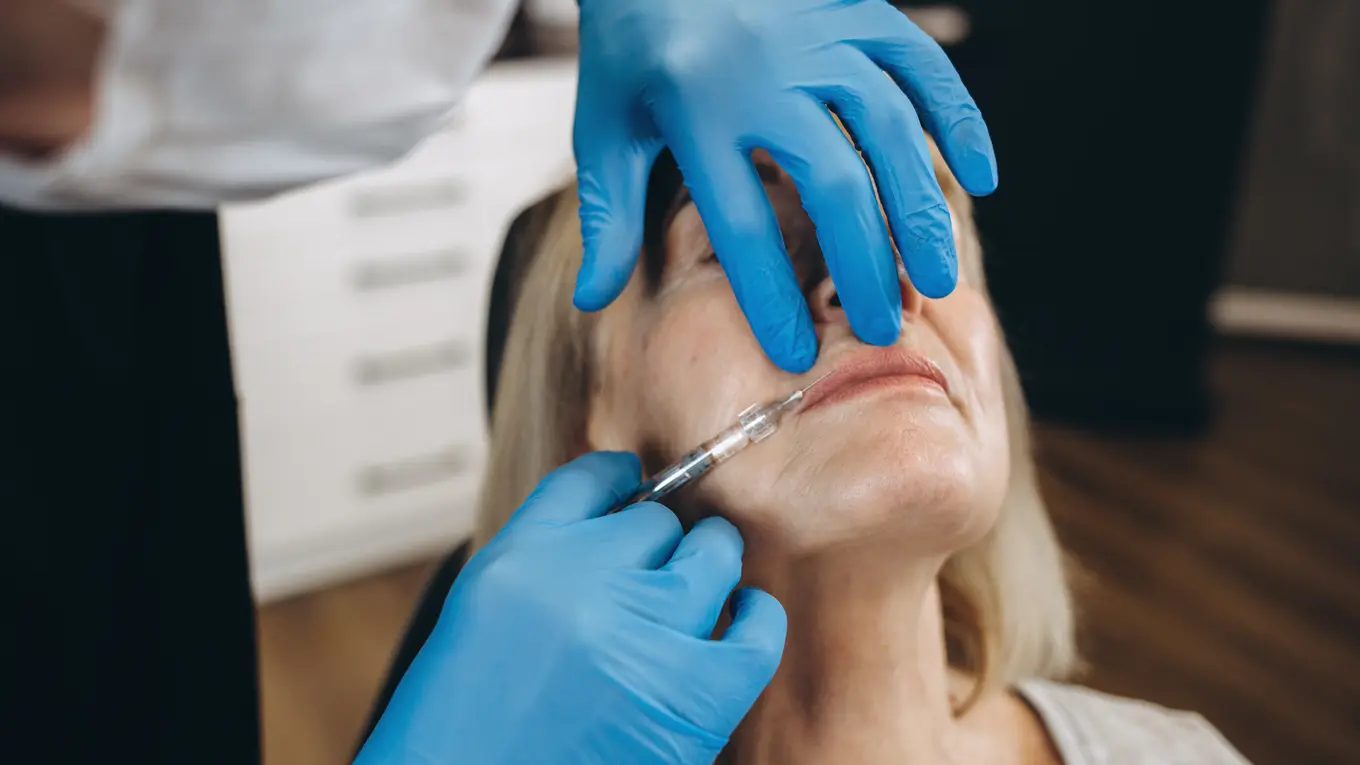
Both are medical procedures, not spa add-ons, and they deserve a real provider and a real conversation. Start conservative. You can always add more at a follow-up. You cannot un-inject an afternoon of enthusiasm, at least not without extra hassle and, in the case of filler, a dissolving agent.
Which one you actually need
Injectables are tools, not personalities. Used lightly and thoughtfully, they help you look like a rested version of yourself. Used heavily or carelessly, they announce themselves. The difference is almost never the product. It is the hands and the judgment behind it. Learn the basic difference between relaxing and restoring, ask good questions, and you will already be ahead of most people sitting in that chair for the first time.