A bruise after filler is not automatically a sign that something went wrong. Think of your face as a crowded neighborhood. Your injector is using a very fine needle to place product in a very specific spot. Under the surface of your skin are countless tiny blood vessels called capillaries. They really are everywhere. Even with a careful, steady hand, that needle will sometimes nick one of these vessels on the way to the target depth. When that happens, a small amount of blood leaks out and gets trapped under the skin. That is all a bruise is.
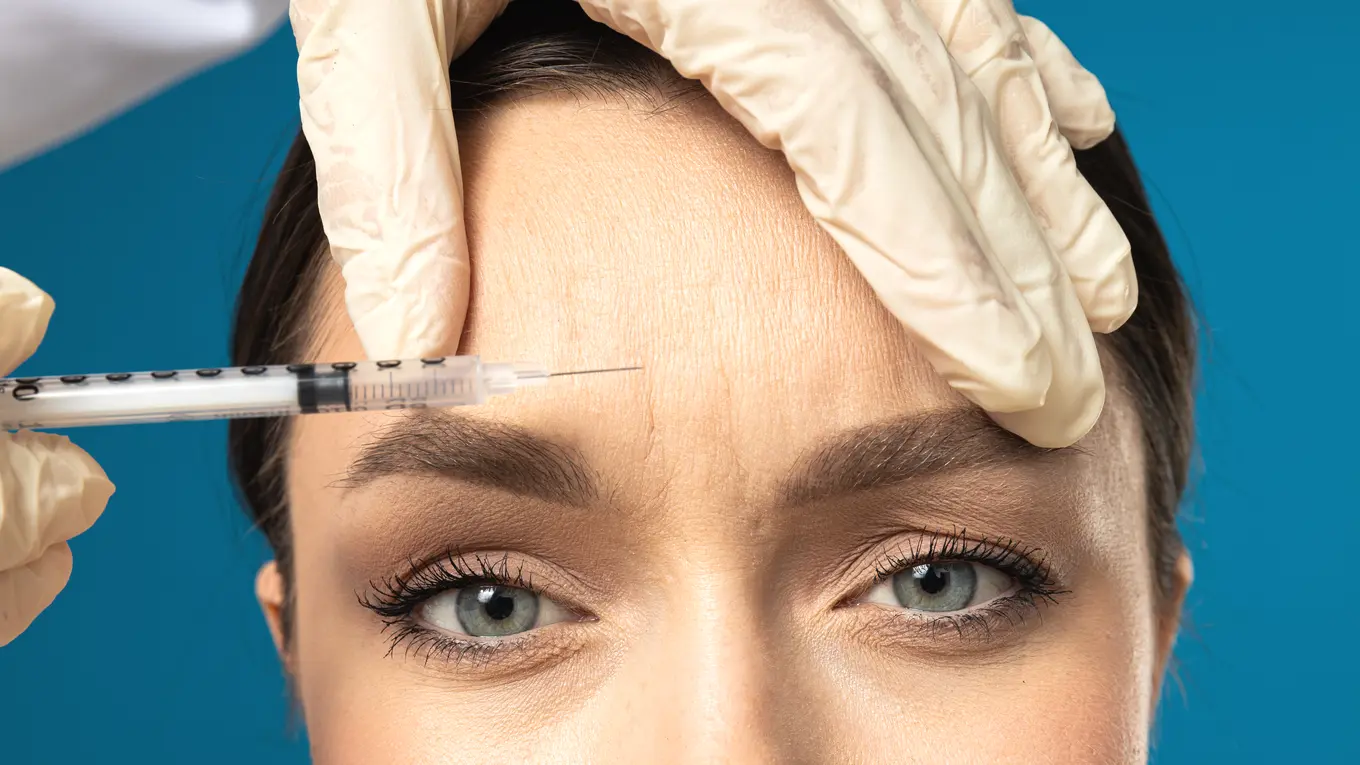
Some areas bruise more than others because they have more vessels in a tight space. The lips and the thin skin under the eyes are common examples. Some people also just bruise more easily in general. It doesn't mean filler is off limits for you. It does mean you may want to plan on a few days of social downtime, just in case something shows.
How to Prepare Before Your Filler Appointment
You can't remove the risk of a bruise, but you can lower the odds. The basic idea is to stay away from things that thin your blood, because thinner blood bruises and spreads under the skin more easily. About a week before your appointment, you might consider pausing certain things. This is a general guide, and you should always talk with a licensed provider who knows your health history before you stop or change anything.
Common things to avoid include:
- Alcohol, especially red wine, for at least 24 to 48 hours beforehand.
- Over the counter pain relievers like aspirin and ibuprofen.
- Certain supplements known for blood thinning effects, like fish oil, high doses of Vitamin E, Ginkgo Biloba, and St. John's Wort.
Some people like to prepare by taking Arnica montana, a homeopathic supplement, for a few days before and after treatment. Others swear by eating pineapple for its bromelain, an enzyme that is thought to help with inflammation and bruising. These are not guarantees, and they are not medical treatment, but they are simple, low risk habits you can try if they fit with your routine and your provider agrees.
Your Injector's Technique Matters
A lot of bruise prevention comes down to your injector's skill and tool choice. An experienced provider understands facial anatomy and respects it. They know the usual paths of larger vessels to avoid and inject with a slow, steady hand to move through tissue instead of tearing through it.
You can ask if they plan to use a needle or a cannula for your treatment. A traditional needle is sharp, which is necessary to pierce the skin at the entry point. A cannula is a thin, flexible tube with a blunt, rounded tip. After making a tiny entry point with a needle, the provider can slide the cannula under the skin. Because it is not sharp, a cannula tends to push vessels aside instead of puncturing them. This can lower the chance of bruising, especially in areas like the cheeks and jawline. In Los Angeles, a provider at a practice like the one listing services at skinanthology.com/services can explain which tool they use in each area and why.
So You Got a Bruise. Now What?
If a bruise shows up, it is usually just a nuisance. It should fade as any other bruise would, often within a week or two. There are a few things you can do to help it along. For the first day or two, use a cold compress on the area for about 10 minutes at a time, a few times a day. Cold helps tighten the blood vessels and can keep the bruise from spreading. Wrap the ice pack in a soft cloth; do not put ice directly on your skin.
After about 48 hours, you can switch to a warm compress. Warmth helps increase circulation in the area, which supports your body as it breaks down and clears the trapped blood. Your aftercare sheet can feel a bit overwhelming, kind of like reading a med spa price list the first time, but those instructions exist to help you heal without extra drama. You will also want to avoid strenuous exercise, saunas, and alcohol for a day or two, because they increase blood flow and can make a bruise look darker and bigger.
When to Call Your Provider Immediately
Most bruises are harmless, but there is a very rare, serious complication called a vascular occlusion. This happens when filler is accidentally placed inside a blood vessel and blocks blood flow to nearby skin. That is a medical emergency and needs rapid attention from your injector.
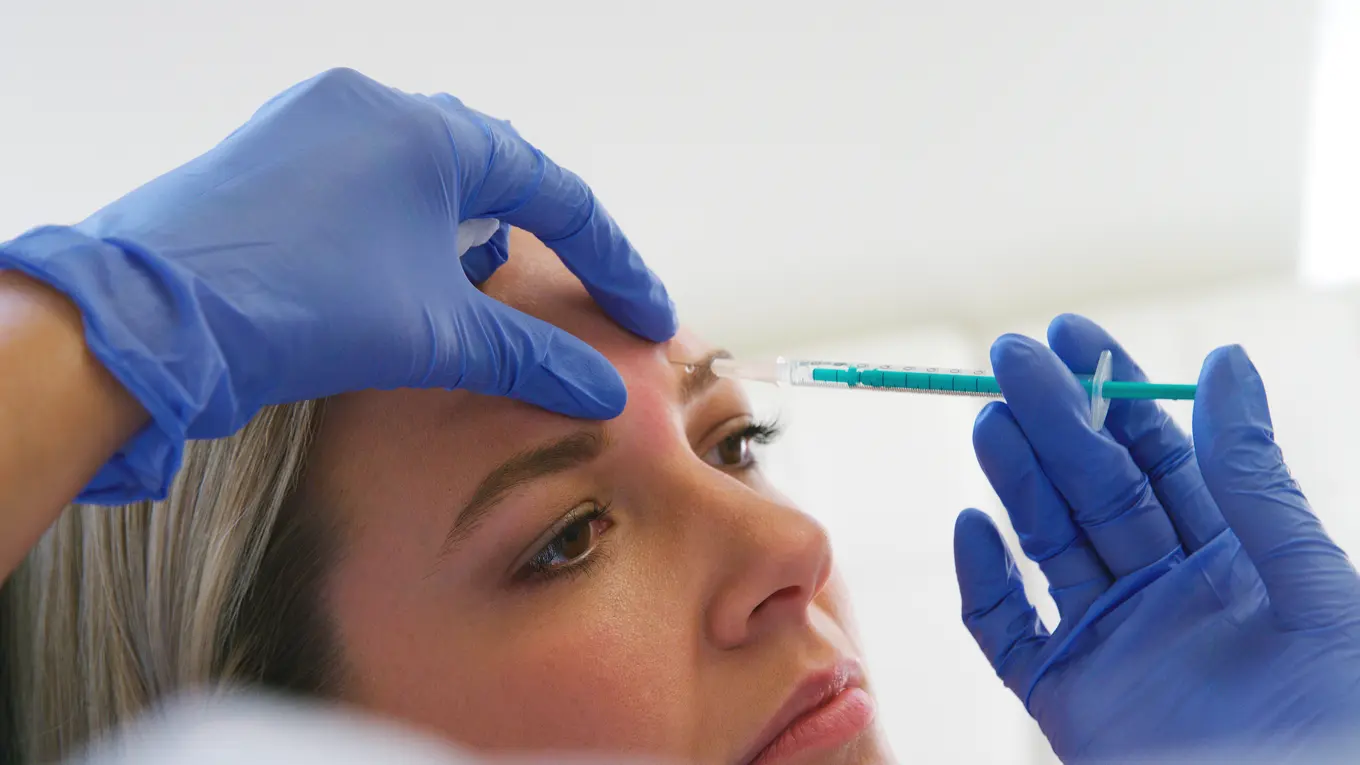
The signs look and feel different from a typical bruise. You might feel sudden, strong pain during or right after the injection. The skin might look pale or white, or show a blotchy, net like pattern. A normal bruise can be sore; an occlusion is usually intensely painful. If you notice any of these signs, call your injector's office or their after hours line right away. They have an enzyme that can dissolve the filler and restore blood flow.
For most people, some bruising is the most annoying part of getting filler. It is a temporary trade off for your result. If you prepare ahead of time, ask clear questions, and know what normal healing looks like, the process tends to feel a lot more manageable. Knowing what to expect lets you plan your life around the treatment instead of the other way around.