People whisper this one. They will happily ask about price and results, then lower their voice for the real question, which is whether it is going to hurt. It is the thing that keeps a lot of curious people out of the chair, and it deserves a straight answer instead of a brave-face brush-off. So here is the honest version, treatment by treatment, from someone who watched a lot of first-timers realize it was not the ordeal they had built up in their head.
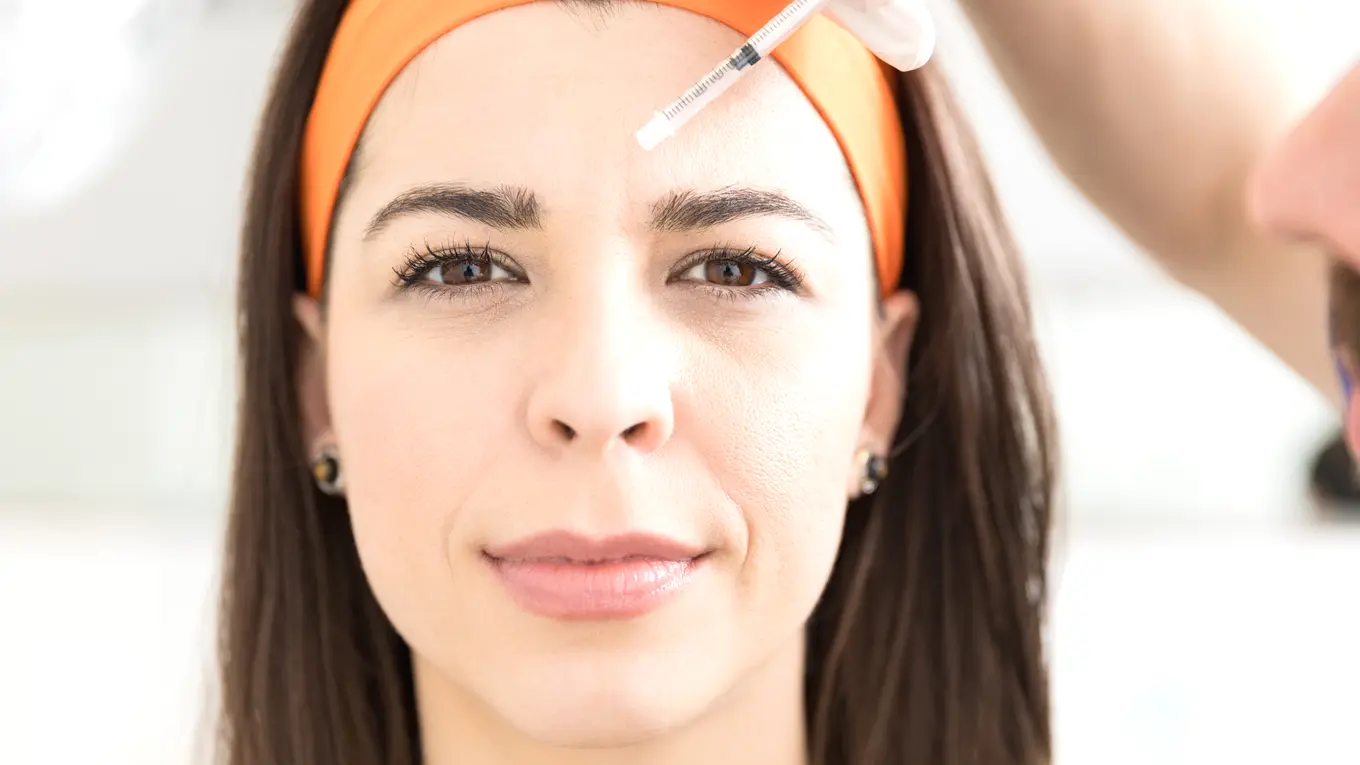
Botox is the gentle one
Let me start with the reassuring part. Botox injections use a very fine needle and deliver a tiny amount of product, and most people describe the feeling as a quick pinch or a small pinprick, over almost before it registers. There are usually only a handful of little injections, each lasting a second. Plenty of people finish their first Botox appointment and say some version of that was it. It is not nothing, but it is firmly in the range of mildly annoying, not painful. Numbing cream is often not even necessary for it.
Filler is more of a sensation than a sharp pain
Filler is a bigger experience, and I will not pretend otherwise, but it is very manageable and it comes with real help. A few things make it easier than people fear. Many modern fillers have a local anesthetic mixed right into the product, so the area gets number as the treatment goes. Providers commonly apply a strong topical numbing cream beforehand, and for sensitive areas like the lips they can also numb with a small dental-style block. What you tend to feel is pressure and movement rather than a sharp sting, plus the occasional pinch. The lips and the area around the nose are the tender spots, and a good injector knows that and works with you rather than rushing through.
The fear of the appointment is almost always bigger than the appointment itself.
How numbing actually works
You have more comfort tools available than you might think, and a considerate provider layers them.
- Topical numbing cream. Applied ahead of time and left on so the surface is numb before anything begins. Ask how long it needs to sit, because rushing it is a common reason people feel more than they should.
- Lidocaine in the filler. Many fillers include an anesthetic, so the treated area keeps getting number as the syringe empties.
- Cold and vibration. A cold roller or a little vibrating tool near the site distracts the nerves and genuinely takes the edge off. It sounds too simple to work, and it works.
- Nerve blocks. For the lips especially, a small targeted numbing injection can make the whole area quiet, similar to how a dentist numbs before working.
What you can do to make it easier
Comfort is partly on you, and small choices help. Eat something beforehand so you are not lightheaded, since an empty stomach plus nerves is how people get woozy. Go in hydrated. If you are anxious, say so out loud, because a provider who knows you are nervous will slow down, narrate what is happening, and give you breaks. Skip the extra coffee if caffeine makes you jittery. And breathe. Tensing your whole body makes everything feel sharper, so slow exhales during the injections genuinely help.
The part that surprises people
The most common thing I heard afterward was not that it hurt more than expected. It was that it hurt less. The anticipation in the waiting room is almost always worse than the actual pinches, and once the first injection is done, the fear tends to evaporate because the brain finally has real data instead of imagination. By the second appointment, people are scrolling their phone through it.
None of this means you should white-knuckle something that scares you or dismiss a low pain tolerance as no big deal. If you are truly needle-phobic, tell the clinic before you book so they can plan extra numbing and extra patience. There is no prize for toughing it out and no shame in needing more comfort. A clinic worth choosing treats your comfort as part of the job, not an inconvenience.
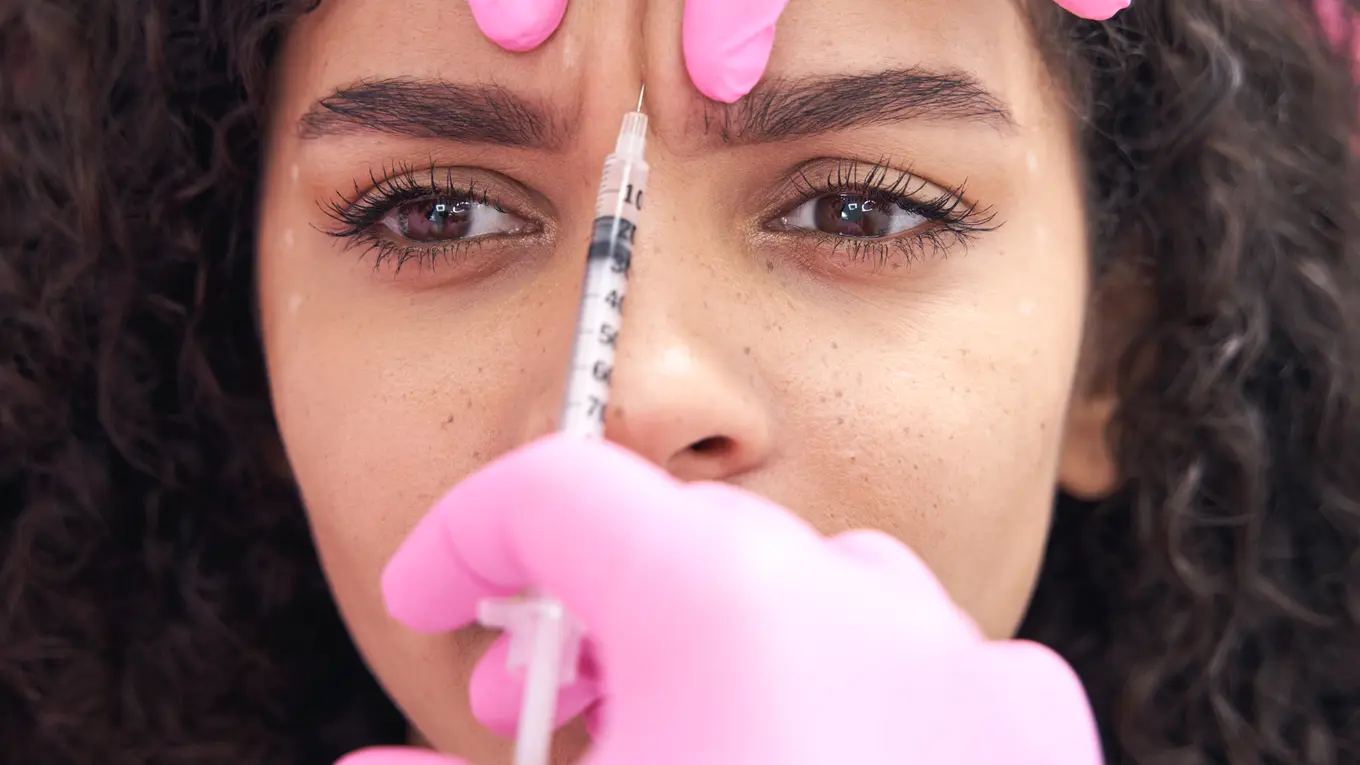
So the honest bottom line. Botox is a few quick pinches and usually needs nothing special. Filler is more involved but well cushioned by numbing cream, anesthetic in the product, cold, and, when needed, a nerve block, so it lands as pressure more than pain. The discomfort is brief, it is managed, and for almost everyone it turns out to be the smallest part of the whole decision. If pain was the thing holding you back, it is probably a smaller obstacle than the story in your head has been telling you.