The fear of the unknown does most of the heavy lifting when it comes to first-time nerves. People imagine a cold clinical experience, or worse, a hard sell. In practice a good first appointment is calmer and slower than you expect. Here is the whole thing, step by step, so you can walk in already knowing the shape of the day.
Before you even arrive
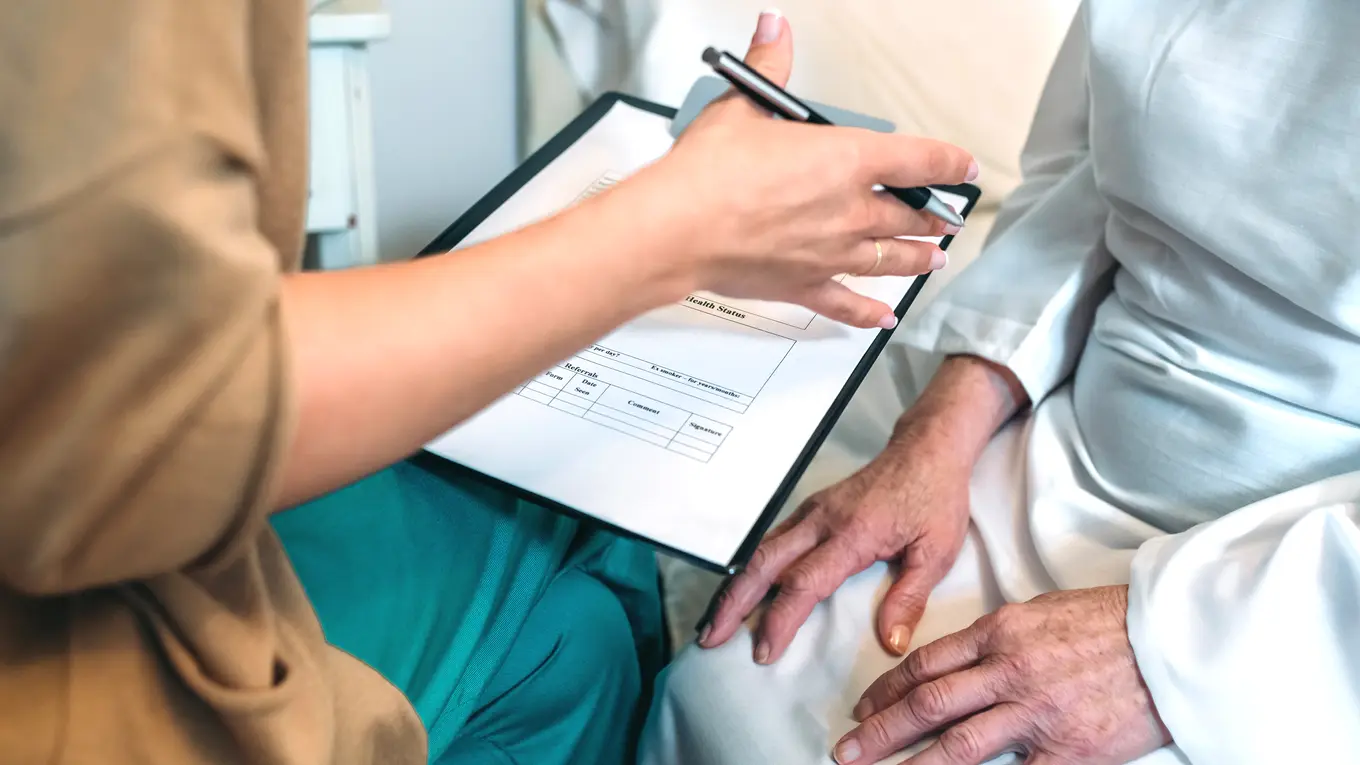
Most clinics send intake forms ahead of time. Fill them out honestly, especially the medical history. List your medications, supplements, allergies, and any past treatments. This is not busywork. Certain blood thinners and supplements can increase bruising, and your provider needs the full picture to keep you safe and to plan well.
A couple of practical things help. Come with a clean face if you can, or expect them to remove your makeup. Skip alcohol the night before if you are having injectables, since it can worsen bruising. And give yourself a buffer of time afterward rather than scheduling a big event for that same evening.
Checking in
You arrive, you check in, and yes, there is usually a little more paperwork and a consent form. The consent form is a good sign, not a scary one. It means the clinic is treating this as the medical procedure it is. Read it rather than signing on autopilot. This is also when they typically take before photos, which feel awkward and are genuinely useful for tracking your results later.
The consultation
Before anything happens to your skin, you sit down with the provider. This is the heart of the visit. A good one looks at your face in proper lighting, asks what brings you in, and listens to what actually bothers you. They will often hand you a mirror and ask you to point, because what the patient sees and what the provider sees are not always the same thing.
The best first visits spend more time talking than treating. That is a feature, not a delay.
Out of that conversation comes a plan. Sometimes it is exactly what you came in for. Sometimes the provider suggests starting smaller, or a different treatment altogether, or spacing things out. If a clinic offers a real range of services, this is where that breadth pays off, because they can match the treatment to your face instead of steering you toward the only thing they do. It is worth glancing at a clinic's full menu ahead of time, the way you might browse skinanthology.com before a first appointment, so you walk in with a sense of what is even possible.
The treatment itself
If you both agree to proceed, this part is usually quicker and less dramatic than the buildup. What it feels like depends entirely on what you are having done.
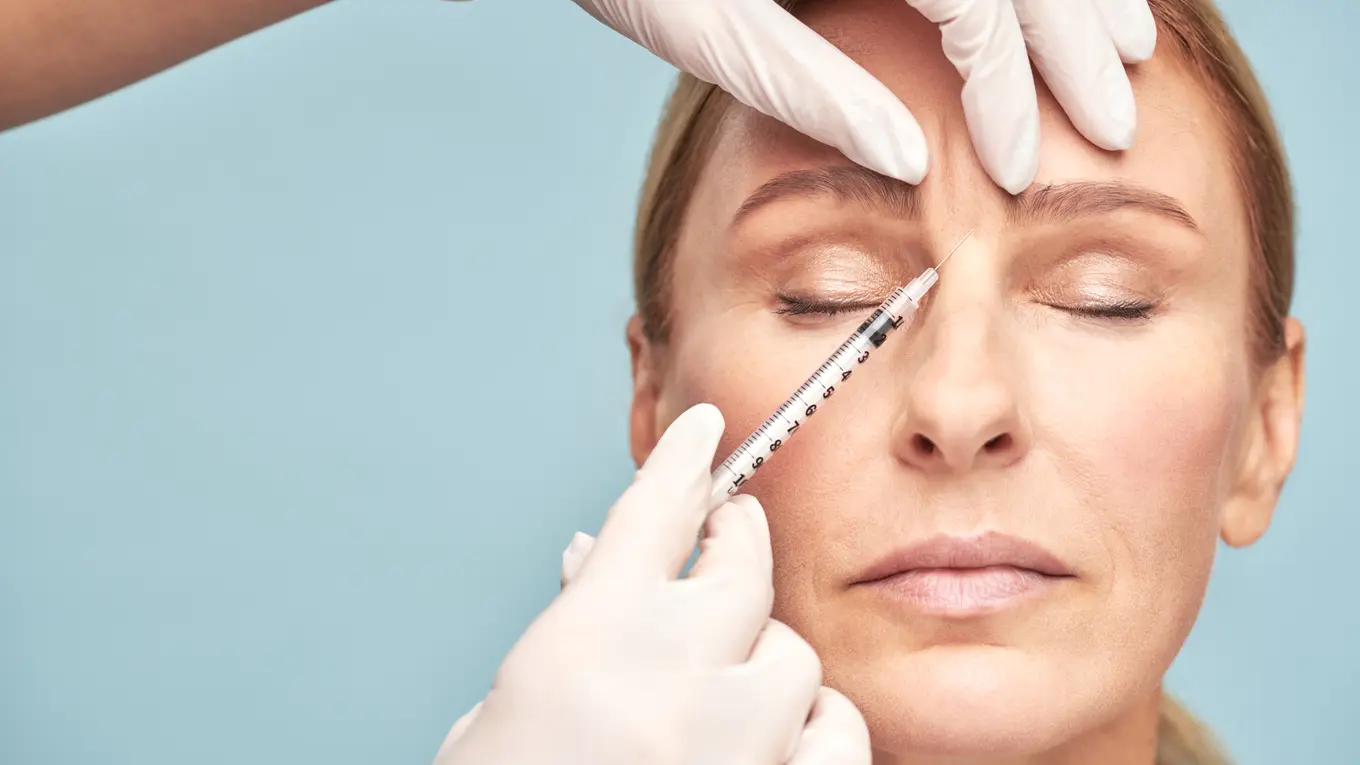
- Injectables involve a series of small pinches. Many providers use numbing cream or ice first, and neuromodulator appointments in particular tend to be over in minutes.
- Skin tightening or laser treatments feel more like heat or warmth moving across the skin, and take longer, often thirty minutes to an hour depending on the area.
- Facials and peels are the most relaxing of the bunch, closer to a spa experience with a clinical edge.
Throughout, a good provider talks you through what they are doing. You are allowed to speak up, ask for a pause, or say something does not feel right. This is your appointment, and consent continues the whole way through, not just on the form.
Right after
Depending on the treatment, you might see immediate redness, small bumps, or mild swelling. For most non-surgical treatments this settles within hours to a few days. The provider or a nurse walks you through aftercare, which usually includes some version of keeping the area clean, avoiding heavy exercise and heat for a day, staying out of intense sun, and not poking at anything.
Take the aftercare seriously. It is short, it is simple, and it is the difference between a smooth recovery and an avoidable problem. If they give you a printed sheet, actually keep it.
The mirror moment
At the end, you get the mirror. For filler you may see results right away, tempered by some swelling. For neuromodulators you will not see much yet, because those take days to kick in, and that is completely normal. Manage your own expectations here. Walking out unchanged after Botox does not mean it failed, it means it has not started working.
Following up
A quality clinic schedules or offers a follow-up, especially for a first-time patient. This is when they check your results, take after photos, and adjust if needed. Two weeks is a common check-in point for injectables. Do not skip it. It is part of getting the result right, and it costs you nothing but a little time.
The takeaway
Your first visit is mostly conversation, a bit of paperwork, a treatment that is usually shorter than you feared, and clear instructions for after. The clinics worth returning to make you feel informed and unhurried, never pressured. Go in curious, ask your questions, and let the whole thing be the low-key experience it is supposed to be. By your second visit, the nerves are gone entirely, and you will wonder what you were worried about.