Wanting a sharper jawline comes up a lot, in treatment rooms and in regular life. This area often shows looseness early, so your profile can look softer than it did a few years ago. Non-surgical skin tightening is often presented as the fix. It can help, but you want a very specific picture of what it is built to do. Think of it like a good tune up for your car's engine, not swapping the car for a new one. It works with what you already have and tries to get more out of it.
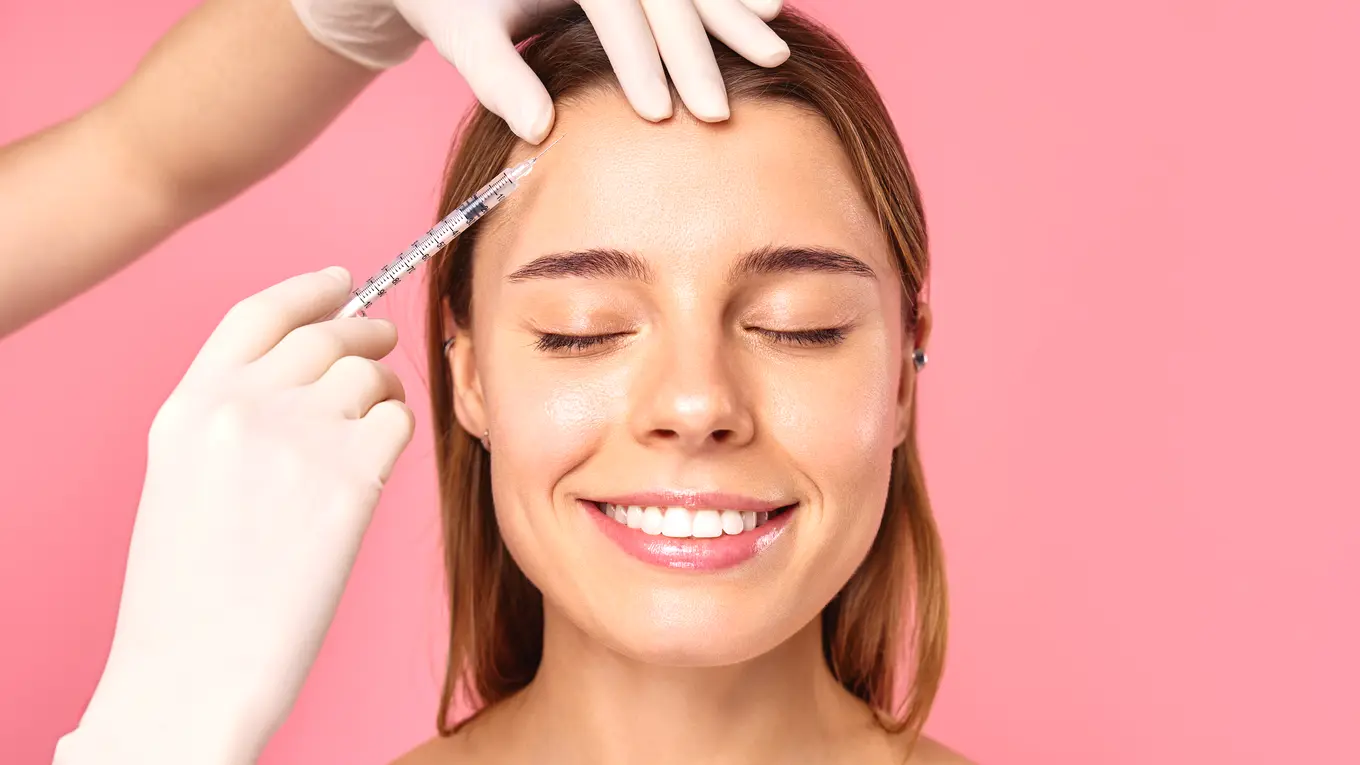
What Non-Surgical Tightening Can and Cannot Do
Most common tightening treatments that use radiofrequency or ultrasound energy follow the same basic idea. They send controlled heat into the deeper layers of your skin. That heat triggers your tissue to signal for new, stronger collagen. Collagen is the protein that gives skin its structure and firmness. With age, you make less of it and what you have breaks down.
So what can this actually change? It can help mild to moderate laxity. If your main concern is skin that feels a bit loose or looks slightly crepey along the jaw, this is the right zone. Over a series of treatments, the skin can feel firmer and look smoother. The jawline can look a bit more defined in a way that still looks like you.
What it cannot do: it does not act like a facelift. If you have marked sagging or heavy jowls, the amount of lift you want is outside what these devices can give. They also do not remove fat, so if part of what you see is a true double chin, tightening alone will not fix that. And it does not change your bone structure at all.
The Consultation is Everything
The consultation is where most of the success happens. This is when you and a provider decide together what you want and what is realistic. A good provider will look closely at your skin quality, how loose things are, and your overall facial structure. They should be very clear about the level of change you can expect.
Use this time to ask direct questions. You should feel comfortable asking things like:
- Am I a good candidate for this treatment?
- Based on my skin, what specific results can I anticipate?
- How many sessions will I need to see that result?
- What does the maintenance look like?
A trustworthy provider will not dodge these. They might even say you are not a good candidate. They might tell you your goals do not match what the device can realistically do. That can sting in the moment, but it protects you from spending on something that was never going to meet your expectations. Make sure you are talking to a licensed provider who can examine you in person.
It's a Process, Not a Single Event
A common misunderstanding is that you go in once and walk out with a new jawline. Some people do feel a temporary tightening right after, but the real change is slow. Your body has to build that new collagen over weeks and months after the series of treatments.
Your body doesn't build collagen overnight, so the results of your treatment won't appear overnight either. Patience is part of the process.
This is closer to starting a workout plan than getting a haircut. You don't go to the gym once and expect a big change. You go again and again, and the shift is gradual. Most tightening plans involve multiple sessions, spaced out by a few weeks, to get the best result. It is a commitment, and each session adds to the last.
Combining Treatments for a Sharper Look
Sometimes softening along the jaw is not just about loose skin. A good provider will look at your whole face to see what is actually creating that blur at the jawline. For many people, it is a mix of some laxity plus loss of the deeper support from bone and fat pads, which is a normal part of aging.
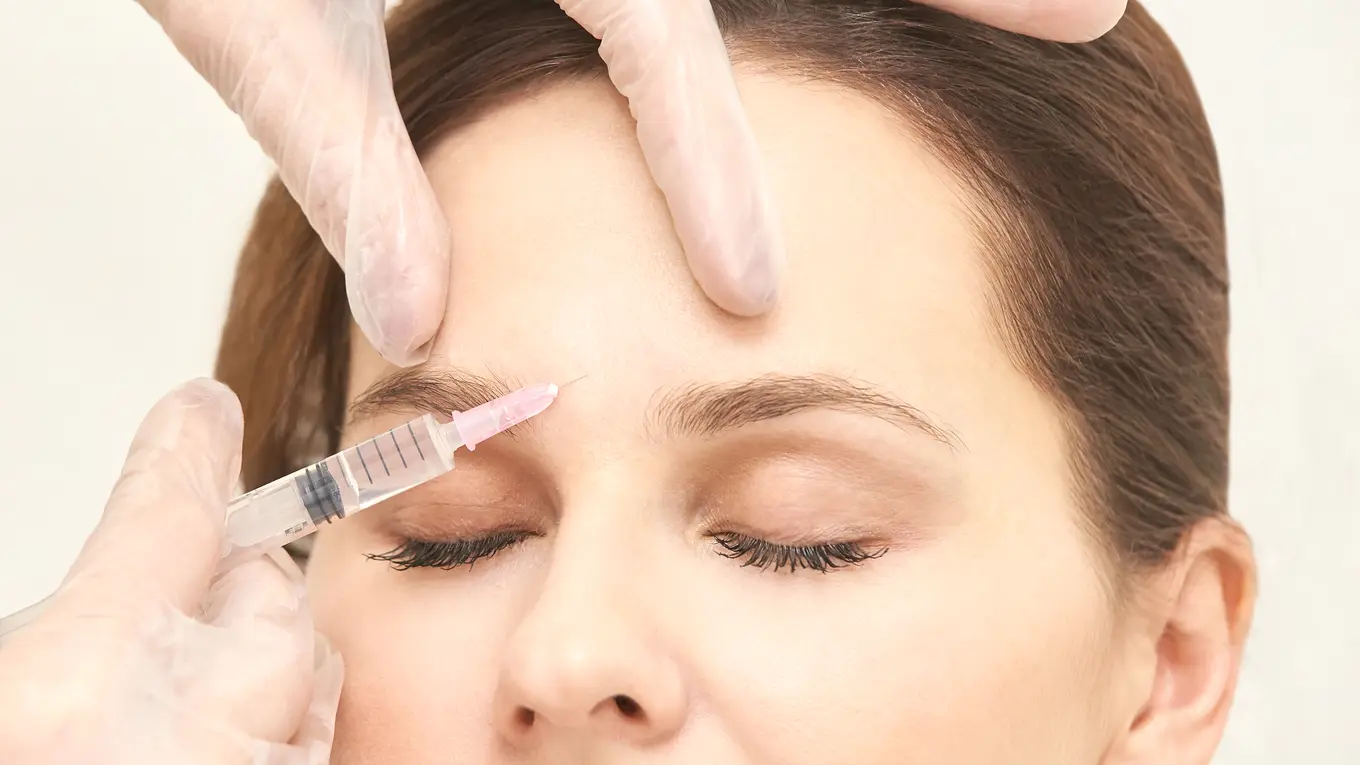
In that case, they might suggest combining tightening with another option. For example, a small, careful amount of dermal filler along the jawbone can help replace some of that lost support. Then the tightened skin has a better frame to sit on. A provider who aims for a natural result will think the same way they do about how subtle lip filler should look, and apply that same idea to the jaw. For others, a treatment that reduces fat under the chin might pair better with tightening. The point is to work with someone who looks at the whole picture and explains each factor that is changing your jawline.
Who Gets the Best Results?
The people who tend to do best with non-surgical jawline tightening are just starting to notice changes they do not like. Their overall skin quality is still good, but there is mild to moderate looseness that bothers them. They are not trying to look like a different person. They want to look like themselves, a bit firmer and more rested, and they understand the change will be gradual and not dramatic. They are fine with improvement instead of perfection, and they would rather not have surgery. If you recognize yourself in that description, this category of treatment might be worth considering.