Walking into a med spa for the first time can feel exciting, but the consultation can catch you off guard. Instead of just talking about wrinkles or skin texture, a careful provider will hand you a clipboard or tablet full of questions. They will ask about your medications, allergies, past surgeries, and health conditions. It can feel nosy, like you somehow ended up in a medical clinic instead of a beauty setting. Take that as a good sign. A practice that wants your full health picture is trying to keep you safe.

Your Body Is One Big Connected System
It is easy to think of your skin as just a surface, separate from everything going on inside. Your body does not work that way. Your skin is an organ, and it reacts to your overall health, your prescriptions and supplements, and your genetics. A good provider keeps this in mind. They are not only focusing on the wrinkle you want to soften; they are thinking about the whole person attached to it.
If you take blood thinners or certain supplements like fish oil, you are more likely to bruise after injectables like filler or Botox. Someone who understands this can give you clear prep instructions so you have less downtime. If you have an autoimmune condition, treatments that nudge the immune system, like some types of microneedling, might need to be adjusted or skipped. Even a history of cold sores matters if you are considering lip filler, because the procedure can trigger an outbreak.
Think of it like hiring a painter for a historic house. You would not want them to roll paint over a wall without knowing what is underneath. Is there old wallpaper? Is the plaster fragile? A good painter looks at the structure first. A good med spa provider does the same kind of check for your face and body.
Past Treatments Influence Present Choices
Your cosmetic history matters as much as your medical history. What you have done in the past affects what can be done now. Many people assume a filler has fully dissolved when tiny amounts can stick around for a long time. Telling your new provider what you had, where it was placed, and when you had it done helps them build a smarter plan.
Mixing different types of fillers takes real skill. When your injector knows the product history in your face, they can choose a new formula and technique that make sense with what is already there. That same context helps them explain what kind of result you can expect and how long your injections might last. The same logic applies to energy devices. If you had radiofrequency skin tightening a few months ago, that timing can change how soon you should do your next session and how strong it should be, even if the next device is a different type of laser.
Previous facial surgeries are also a big part of the picture. A facelift, rhinoplasty, or even certain dental work can shift the underlying anatomy and move muscles or blood vessels. An injector who knows about those changes can plan your injections more safely and more precisely. Keeping your treatment history to yourself does not protect you; it only makes it harder for the provider to treat you well.
Allergies Aren't Just About Food
When you hear "allergies," you might think about pollen, pets, or peanuts. In a med spa, you have other triggers to keep in mind. Many dermal fillers contain lidocaine, which is a common numbing ingredient. If you are allergic to lidocaine, your provider needs to know so they can pick a different product or use a different numbing method. A true reaction to hyaluronic acid is very rare, but you can still react to other ingredients in the syringe.
Being fully honest on your intake form sets you up for a smoother treatment. You and your provider are working as a team, and that starts with sharing accurate information.
Other possible allergens hide in places you might not think about. The adhesives that hold eye shields in place during laser treatments, the numbing cream used before microneedling, or the type of metal in a device tip can all cause problems for sensitive skin. Tell your provider about any rashes, hives, or reactions you have had, even if they seemed small. That gives the team a chance to adjust and keep you more comfortable. It is much easier to plan around your sensitive skin in advance than to deal with an unexpected flare after the fact.
The Risk of a Rushed Consultation
If a place skips past these questions and moves straight into selling you treatments, you should stop and pay attention. When a consultation feels like a pitch and they are ready to treat you without taking a proper history, that is a red flag. It can mean the practice is focused on speed and volume instead of your individual safety.
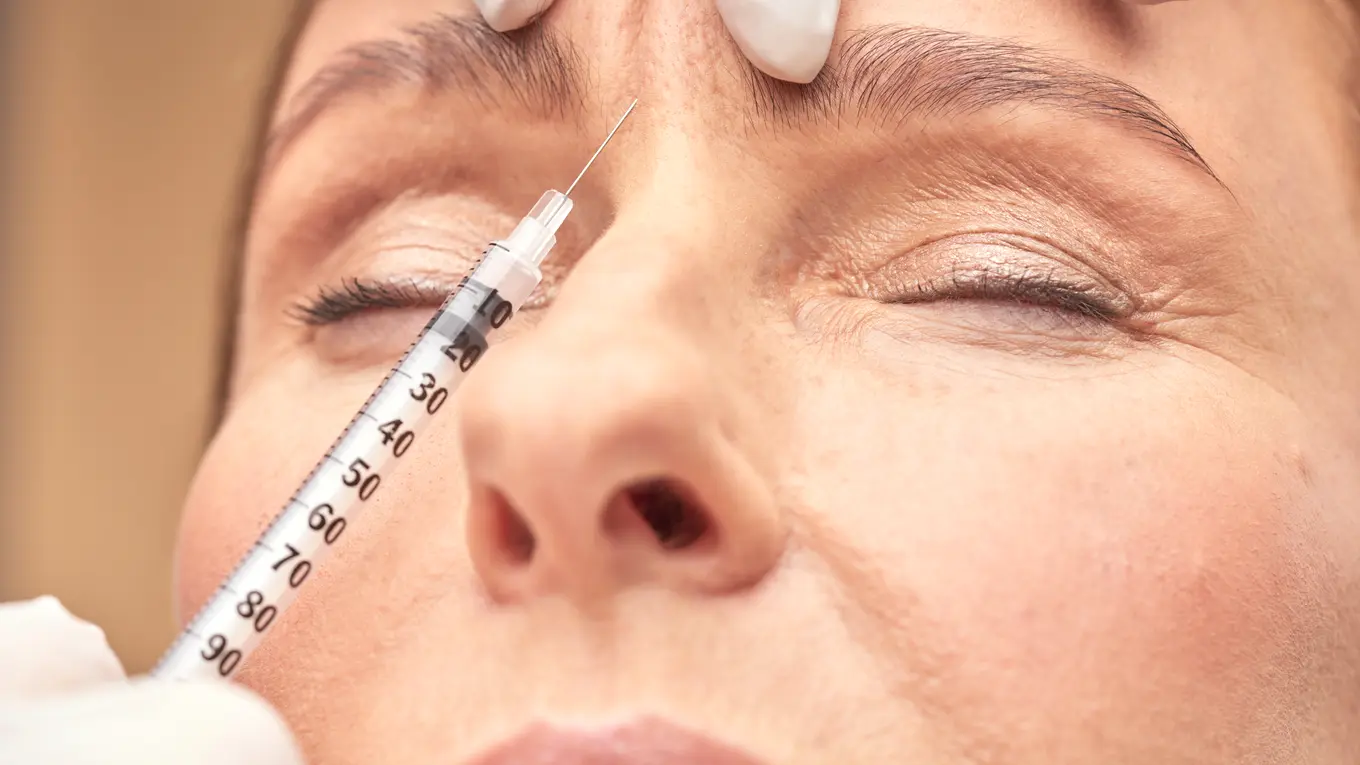
Without a real health screening, you are more likely to end up with a treatment that is wrong for you. That can mean results that do not match what you were told, money wasted, or a complication that could have been avoided. Think of it the way you would think about a restaurant: a chef should ask about food allergies before they cook for you. A thorough intake form is the basic safety check in a med spa.
When you meet a provider who asks careful questions and takes their time, that is worth some patience from you. They are treating you as a patient, not just a sale. Your job is to answer clearly. Do not leave things out because you are worried you will be turned away from a treatment. If something is not right for you, skipping it is the safer choice, and there is usually another option. Share your full history with a licensed provider so you can work together on a plan that fits your skin and your health.