The single most common thing I heard in the treatment room was some version of the same worry. Not does it hurt, not will it look natural, but will I have a bruise for the wedding on Saturday. It is a fair question, because a bruise is the one part of injectables that shows up uninvited and stays for a few days. The good news is that you have more control over it than most people realize, and almost all of that control happens before you ever sit in the chair.
Why bruising happens at all
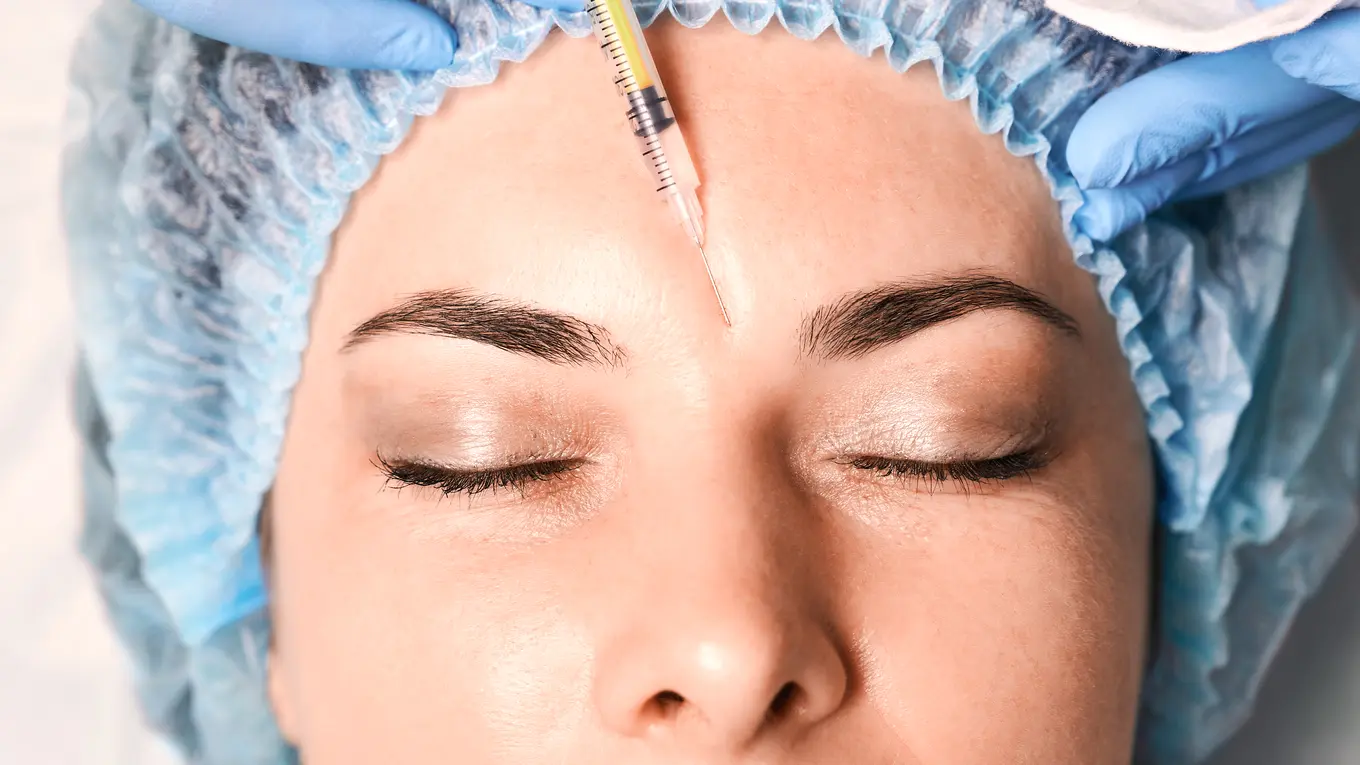
Any time a needle goes into skin, it can nick a tiny blood vessel. When that happens, a little blood pools under the surface and you get the familiar bluish mark that fades to green and yellow over a week or so. Filler tends to bruise a bit more than Botox because the needle is placed deeper and moves more, and areas with lots of small vessels, like around the lips and under the eyes, are more prone to it. None of this means anyone did anything wrong. A skilled injector reduces the odds, but no one can promise zero bruising, and anyone who does is overselling.
The week before matters most
Here is the part people skip. A lot of bruising is set in motion days before your appointment by things that thin your blood. In the roughly five to seven days ahead of an injectable visit, it is worth being mindful of the common blood thinners that show up in everyday life.
- Alcohol. A couple of days off before your appointment genuinely helps. Alcohol dilates vessels and makes them more likely to leak.
- Certain pain relievers. Aspirin and ibuprofen thin the blood. If you need something for a headache in the days before, acetaminophen is usually the gentler choice, but clear any change with whoever prescribes your regular medications.
- Fish oil, vitamin E, and some supplements. Ginkgo, high-dose omega-3s, and a handful of others have a mild blood-thinning effect. Pause the optional ones for a few days if your provider agrees.
One firm rule. If you take a blood thinner that a doctor prescribed for a real medical reason, you do not stop it to avoid a cosmetic bruise. You tell your injector, and you plan around it. Your health comes first, every time.
Most bruising is decided in the days before your appointment, not the minutes after it.
What helps on the day and after
Small things add up. Arriving well hydrated seems to help skin behave. Many clinics apply cold before or after treatment, and gentle cold compresses at home for the first several hours can calm a fresh injection site. Keep your head elevated the first night rather than lying flat, and skip the hard workout, the sauna, and the hot yoga for a day, because anything that spikes blood flow to your face can make a small bruise bigger.
Arnica, whether as a topical gel or a supplement, gets recommended constantly. The honest version is that the evidence is mixed, plenty of people swear it shortens a bruise, and it is low risk if you want to try it. I put it in the category of probably harmless, possibly helpful. If a bruise does appear, do not panic and do not massage it unless your provider specifically tells you to, since filler in particular should be left alone to settle.
Timing your appointment like an adult
The smartest move is not a product at all. It is scheduling. If you have a big event, book your injectables at least two weeks ahead, not two days. That gives any bruise time to fade and gives filler time to settle into its final shape. The people who end up stressed are almost always the ones who booked too close to the thing they were getting ready for. Give yourself runway and the whole experience gets calmer.
It also helps to think about your week. A treatment on a Thursday before a quiet weekend gives you a couple of low-stakes days to let any redness settle before you are back in front of people. There is no medal for powering through a work presentation with a fresh lip bruise you could have avoided by shifting the appointment by a day.
When a mark is more than a bruise
The vast majority of the time, a bruise is just a bruise and it resolves on its own. But you should know the difference between normal and not. Ordinary bruising and mild swelling are expected. What is not expected is severe or increasing pain, skin that turns white or blotchy and dusky, or a spreading discoloration that looks different from a standard bruise. Those are rare, but they are the reason you want a provider who is reachable after hours and who gave you clear instructions on when to call. If something feels wrong, you call. A good clinic wants that phone to ring.

Put together, the plan is simple. Ease off the blood thinners you safely can for a few days, hydrate, ice, keep your head up, avoid the sweaty workout for a day, and book far enough ahead that a small bruise is a non-event. Do that and downtime from injectables stops being the scary unknown it gets made out to be. It becomes a predictable, manageable part of a treatment you planned like a grown-up.