You see it all over social media: people in their twenties and early thirties getting Botox not for the wrinkles they have, but for the ones they might get later. The idea is called "preventative Botox," and it gets framed as a smart move for your future skin. Sometimes it is thoughtful planning. Sometimes it is a trend that can pull you into years of appointments you did not actually need. Like most things in skincare, it is not a simple yes or no. It comes down to your face, your budget, and what you are comfortable maintaining.
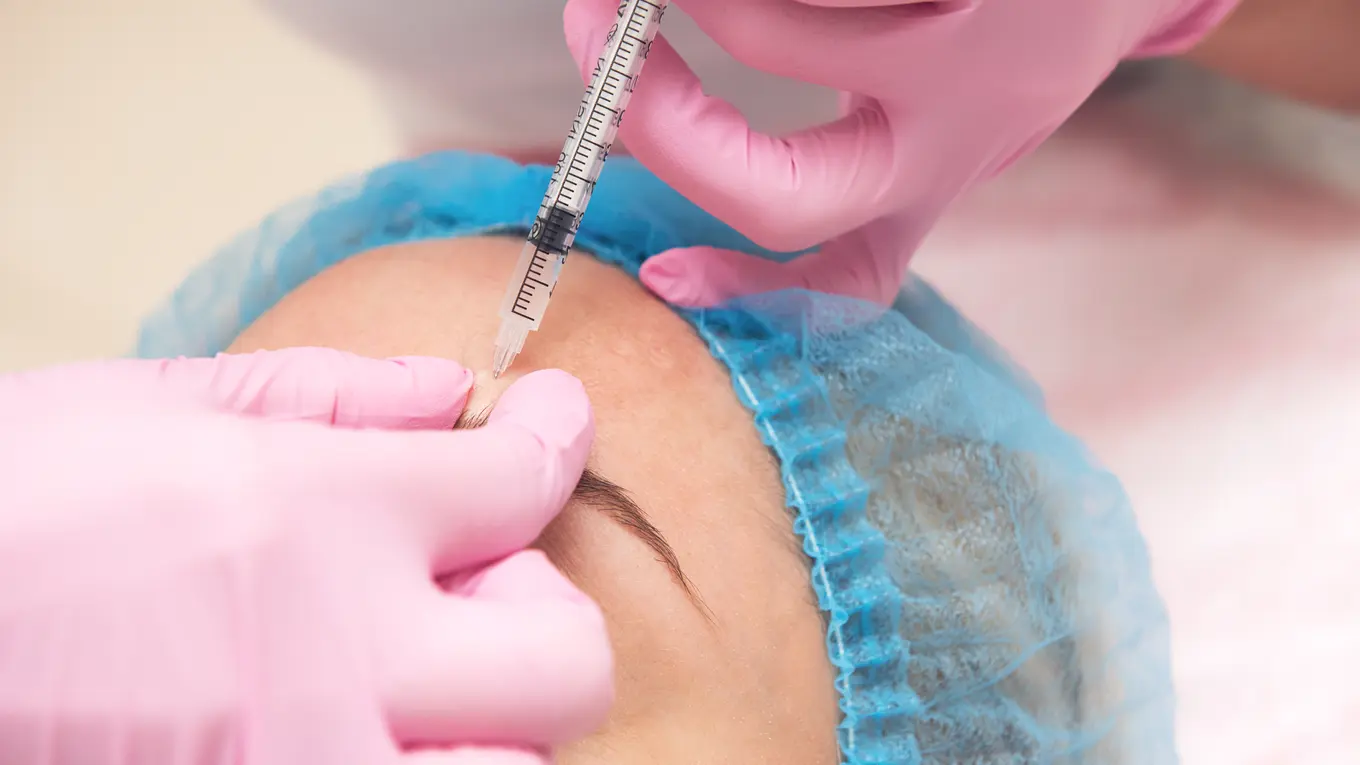
What "Preventative" Actually Means
To make sense of this, you need to know about two kinds of facial lines. First, there are dynamic lines, which are the creases that show up when your muscles move. Think of the "11s" between your brows when you frown, the horizontal forehead lines when you raise your eyebrows, or the crow's feet when you smile. Then there are static lines, which are the lines that stay on your face even when it is completely at rest.
Botox is a neuromodulator. It works by temporarily relaxing the muscles it is injected into. When the muscle cannot contract as strongly, it cannot create those deeper dynamic lines as easily. The idea with preventative Botox is that if you keep those muscle movements softer for many years, the skin on top does not fold as often or as sharply. That can slow down a dynamic line turning into a permanent, static one. Picture a piece of paper. If you fold it hard in the same place over and over, a solid crease forms. If you only bend it lightly, the paper stays smoother for longer. Botox just makes it harder to do the hard fold.
Who Is It Really For?
This is where the marketing gets muddy. Preventative Botox is not for everyone at a certain birthday, like turning 25. It is for people who, because of genetics and how their muscles move, are starting to show early static lines. Some people have very strong forehead or frown muscles. They might notice in their late twenties that even when their face is relaxed, a faint line is starting to linger. For them, a small, focused amount of Botox could be a reasonable way to keep that line from digging in.
Someone else might be in their mid thirties with hardly any static lines. For that person, starting Botox might mean treating something that is not really there yet. A good provider will assess your face, not your age. They should watch you make different expressions and study your skin at rest. If your consultation feels like a script, a package deal, or a fast yes without much explanation, that is a problem. It helps to know what to do if you notice clinic warning signs that leave you feeling pressured or talked over.
The Downsides and Considerations
Before you say yes to this, you need a clear picture of what you are taking on. First, it is a commitment of time and money. Botox is not permanent; it typically lasts three to four months. A preventative plan means going back for treatments several times a year, year after year. Over a decade, that can be a lot of visits and a lot of cost.
The injector's skill matters too. The goal with preventative use should be softening, not freezing. You want to keep some movement in your face. An overdone, stiff forehead can look off at any age, and it is especially noticeable when you are younger. It takes a very careful provider to use tiny amounts to relax a muscle instead of wiping out the movement. Also remember, Botox only works on muscle activity. It does not treat the skin itself. It will not fix sun damage, uneven texture, redness, or acne scars. It is not a stand in for a solid daily skincare routine.
What Are the Alternatives?
Botox is just one option to keep your skin looking smooth, and it should rarely be the first one. The most effective step you can take to prevent early aging is to wear a broad spectrum sunscreen every single day. Sun exposure is a major driver of skin aging, including wrinkles, sagging, and discoloration. No injectable product can protect you from UV light.
Beyond sunscreen, other treatments aim to improve the health and strength of your skin itself. Building more collagen, the protein that gives skin its firmness and structure, can make it less likely to crease deeply. For example, some people use treatments like microneedling in Los Angeles to stimulate collagen production, which can help with overall texture and fine lines. This type of treatment works on the skin, not the muscle below. Regular chemical peels or certain laser treatments can also help by speeding up cell turnover and improving skin quality so the surface looks smoother.
Making Your Decision
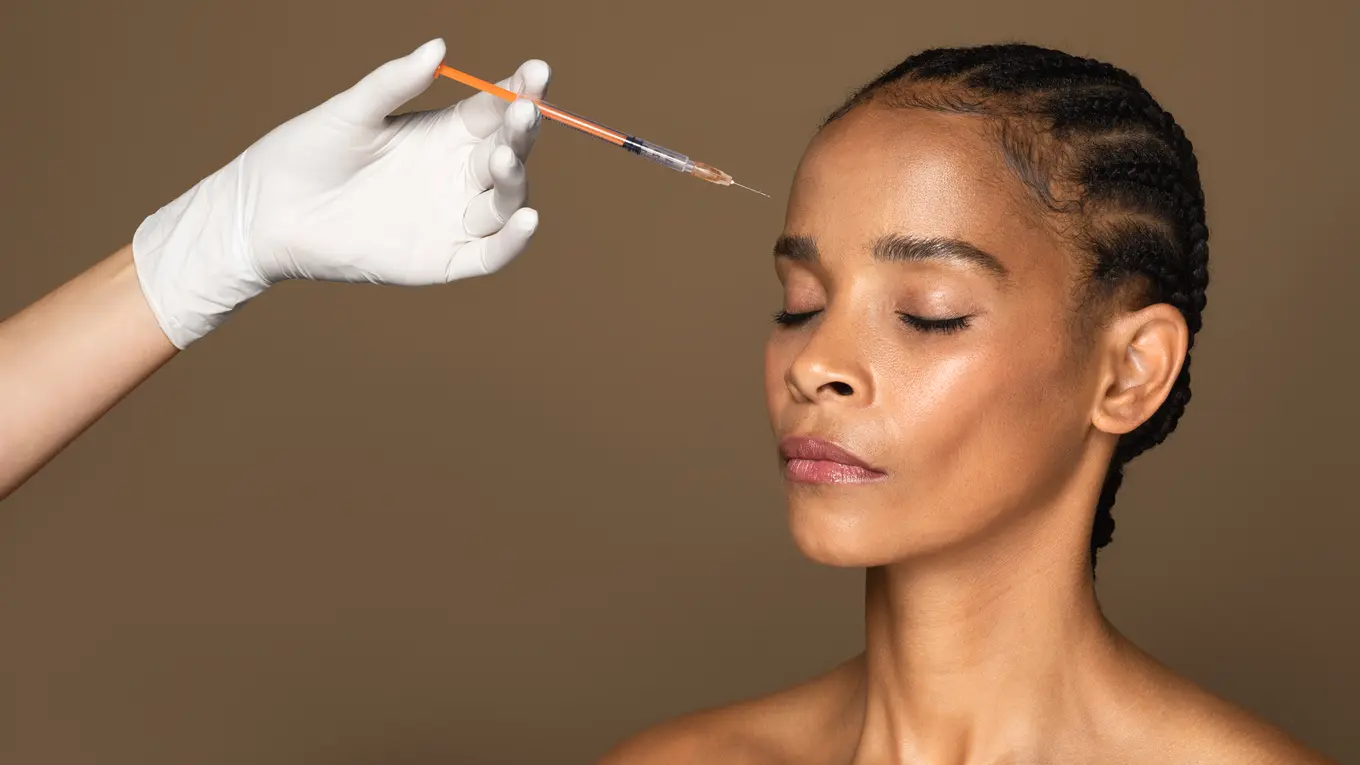
Choosing preventative Botox is a personal call. It is not automatically good or bad, but it should be informed. The person who tends to do well with it understands the long term cost, has specific early static lines they want to address, and has a provider who suggests a conservative, tailored plan instead of jumping straight to a full dose.
A good injector's goal is not to sell you Botox. It is to help you map out a long term plan for your skin, and Botox might be a small part of that plan, or not part of it at all.
Your first real step should be a consultation with a licensed provider who is willing to talk through your face in detail. Ask them to walk you through why they are recommending it for you in particular. If the explanation is vague or mostly about your age, that is not a great sign. Be careful with anyone who pushes you toward a treatment quickly. For neutral background on how treatments work in general, you can read health information from places like the Cleveland Clinic. In the end, you get to decide what you do with your face and how much maintenance you are willing to keep up.