Preventative Botox is one of those phrases that gets thrown around so much it has lost its shape. To some it sounds like clever early intervention. To others it sounds like a way to sell injectables to people who do not need them yet. The truth sits in between, and it depends a lot on the individual face. Let me lay out the reasoning without the hype.
The idea behind it
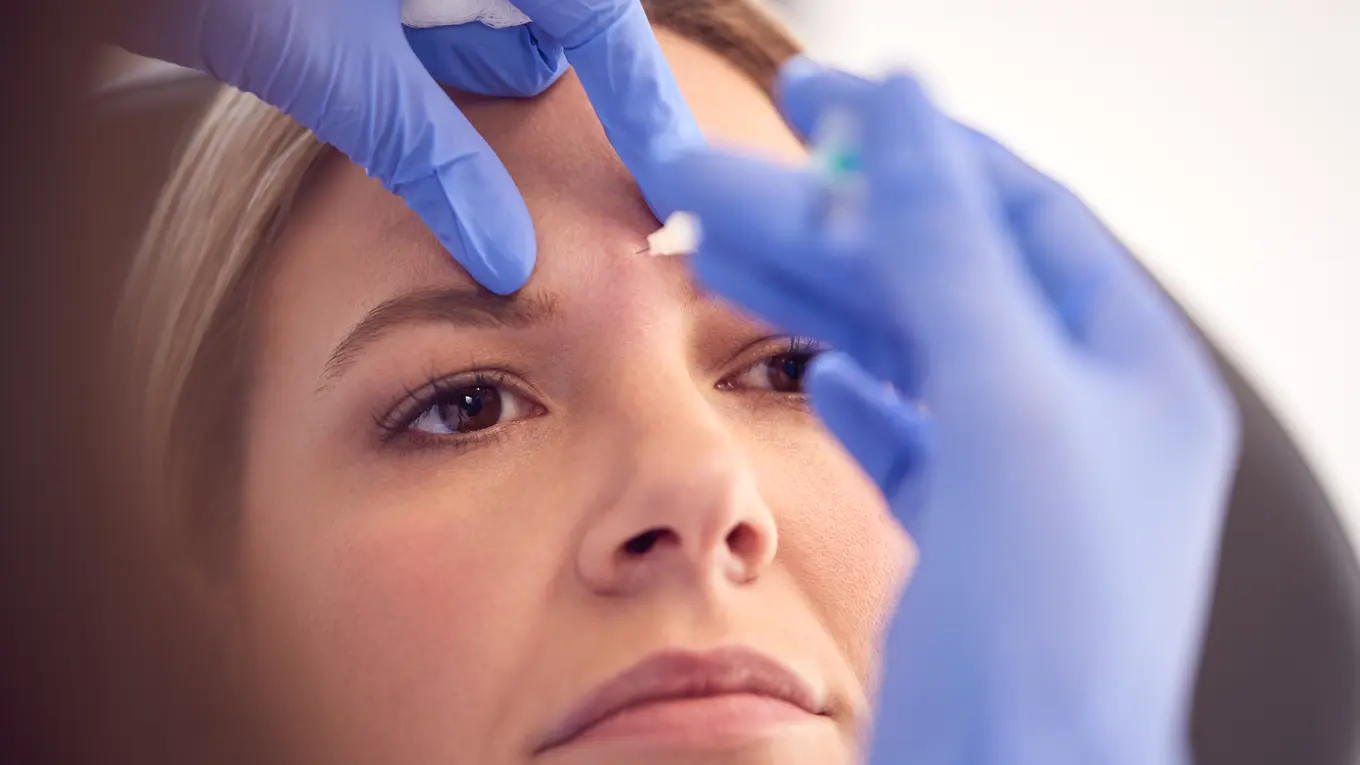
The logic is straightforward. Movement wrinkles form because you make the same expressions over and over, creasing the skin in the same spots for years. Over time those creases can become etched in, visible even when your face is still. Preventative Botox means using small amounts of a neuromodulator earlier, before those lines are deeply set, to soften the repeated movement that carves them in.
So the pitch is not to erase existing wrinkles but to slow the formation of the deep static ones down the road. On its face, that logic is not unreasonable. Less repeated hard creasing over years plausibly means shallower lines later.
Where the nuance lives
Here is where it gets less tidy. "Preventative" does not mean everyone in their twenties should start. It means intervening when your specific face is starting to show the early signs, and that timing varies enormously from person to person. Genetics, sun exposure, skin type, and how expressive you are all change when, and whether, early lines appear.
The right time is not an age. It is when your particular face starts telling you something, read by someone who assesses it honestly.
A good provider does not sell a birthday-based rule. They look at your actual skin and movement and tell you whether early, light treatment makes sense for you, or whether you are fine to wait. Someone who insists everyone your age should be starting is selling, not assessing.
The case for it
- Lighter touch. Treating early tends to mean smaller amounts, because you are maintaining rather than correcting deep lines.
- Softer trajectory. Reducing years of hard repeated creasing may keep static lines shallower over time.
- Natural results are easier. It is simpler to keep something subtle than to reverse something pronounced.
The case for waiting
- You may not need it yet. If your face is not showing early signs, there is nothing to prevent right now.
- It is a commitment. Neuromodulators are maintenance, so starting is signing up for an ongoing rhythm, not a one-time fix.
- Marketing pressure is real. The phrase is used to create urgency where there sometimes is none.
It is still maintenance, not a vaccine
The word preventative can make it sound like a one-and-done shield, and it is not. A neuromodulator wears off in a matter of months whether you started at thirty or fifty. So preventative Botox is really the same ongoing rhythm as regular Botox, just begun earlier and usually with lighter amounts. That is fine if you go in understanding it, and frustrating if you expected to treat once and be protected for good. Think of it as tending a garden rather than building a wall. There is no single treatment that permanently stops a muscle from moving, and you would not want one, since your expressions are part of looking like yourself.
How to make the call
Skip the internet debate and get an honest assessment. Sit down with a qualified provider, show them the areas you are thinking about, and ask directly whether early treatment makes sense for your skin or whether you are fine to wait. The answer should be about your face, not your age or a promotion. If you want to start that conversation, it is worth taking the time to book time with a qualified injector who will tell you plainly if you do not need anything yet.
A provider willing to say "you are fine, come back in a year or two" is exactly the kind you want. That answer costs them a sale and buys your trust, which is the whole basis of a good long-term relationship with an injector.

Where I land on starting early
Preventative Botox is neither a scam nor a must. It is a reasonable idea that only makes sense at the right time for the right face, judged by someone honest rather than dictated by an age or an ad. If your face is showing early signs and a trustworthy provider agrees, light early treatment can be sensible. If it is not, waiting is not a mistake. The marketing wants a universal yes. Your face deserves an individual answer.