People tend to treat aesthetic options like rival teams. Are you a filler person or a skin tightening person, as if you have to pick a side. It is a false choice. These treatments solve genuinely different problems, and for a lot of faces the smartest answer is not one or the other but a thoughtful combination. The catch is that combining well is a matter of order and timing, not just booking two things on the same afternoon.
They fix different problems
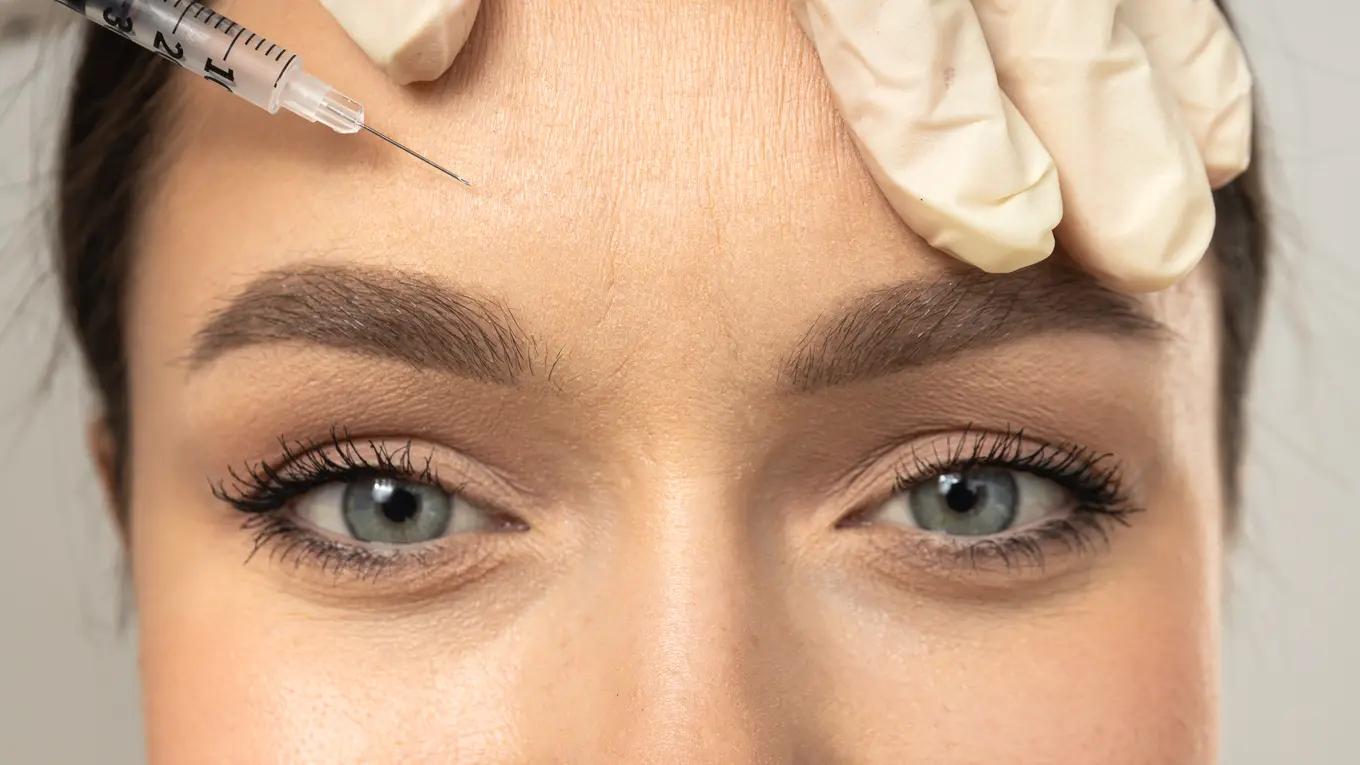
Start with what each one actually does, because that is where the confusion lives. Injectables work on movement and volume. A muscle relaxer softens the lines that expression carves in, and filler replaces support and volume that time has thinned out. Skin tightening works on the quality and firmness of the skin itself, using energy such as radiofrequency to warm the deeper layers and coax your body into building more collagen over the following weeks and months. One category addresses the muscles and the volume. The other addresses the fabric of the skin. Those are not competing jobs, they are different jobs, and a face can easily need help with more than one at once.
Why combining often makes sense
Think of it in layers. Skin tightening improves the canvas, giving you firmer, better quality skin over time. Injectables then work on top of that improved canvas, softening expression lines and restoring the volume that gives a face its structure. When one thing firms the surface and another restores support and calms movement, the overall result tends to look more complete and more natural than hammering a single approach ever could. Someone with early laxity and a bit of volume loss is a classic example. Tightening alone leaves the hollowing, filler alone leaves the crepiness, and the two together address both.
These are layers of one result, not competitors for the same job.
Order and timing are the whole game
Here is where a good provider earns their fee. You generally do not want to do an energy-based skin tightening treatment and injectables in the exact same sitting without a plan, because heat and freshly placed product need to be thought about together. There are sensible ways to sequence them, and the right answer depends on your face, the specific devices, and the products involved. Some providers prefer to tighten first and add volume once the skin has responded. Others space the two by a stretch of time so each is judged on its own before the next. The point is not the specific recipe, it is that the sequence should be deliberate. This is exactly the kind of decision that belongs with an experienced provider who does both, rather than something to improvise.
Timing also matters for a simple practical reason. If you do everything at once and something looks off, you cannot tell which treatment to credit or blame. Spacing them a little lets you and your provider actually read the results and adjust, instead of guessing.
What this looks like in practice
A realistic combined approach usually unfolds as a short plan rather than a single visit. You might begin a series of skin tightening sessions to work on firmness, since that result builds slowly and benefits from a head start. As that progresses, your provider layers in injectables to handle movement and volume where they are actually needed. Over a few months, the pieces add up to a face that looks firmer, rested, and supported, without any single treatment shouting for attention. If you want to understand how an in-office skin tightening treatment would fit alongside injectables for your particular concerns, that is a specific, fair question to bring to a consultation.
Questions worth asking
If you are considering combining, a few questions cut straight to whether a provider has thought this through.
- Given my face, which should come first, and why that order?
- How far apart would you space these, and can we do any of it in the same visit safely?
- What result should I expect from each part on its own, so I can tell what is working?
- What is the realistic total over a few months, so I can pace it to my budget?
Clear, specific answers are a good sign. Vague reassurance and pressure to book everything today are not.
So yes, you can absolutely combine skin tightening and injectables, and for many people it is the better path precisely because it treats the skin, the volume, and the movement as the separate things they are. The difference between a great combined result and a muddled one is almost never the treatments themselves. It is whether someone took the time to sequence them for your face instead of stacking them at random. Get that part right and the two do not compete, they compound.