When you see dark, hollow-looking areas under your eyes, it is very easy to land on one idea: you need filler. Tear trough filler is one of the most requested injectable treatments for a reason, and for the right person, it can help a lot. But I want you to stop for a second before you decide that is exactly what you need. Working as an esthetician taught me that the first fix people reach for is not always the right one, especially on the face.

The anatomy around the eye is complex. What looks like a simple hollow can come from a few different things at once. If you put filler in when the base problem is something else, it will not fix the issue and can sometimes make it look worse. So before you commit to filler, you want to understand what might really be going on and what your actual options are.
What Causes That Hollow Look?
The term "tear trough" refers to the groove that runs from the inner corner of your eye down and out onto your cheek. When this area loses volume, it creates a shadow that makes you look tired. That can happen for a few reasons, and figuring out which one applies to you is the first step.
Sometimes, it is simple volume loss right in that trough. You may have been born with a deeper trough, or the small fat pad just under your eye has deflated over time. This is the classic situation where under-eye filler can help.
But often, the problem is not just in the trough itself. Think of your face as a structure. The skin and fat on your cheeks act like support for the delicate skin under your eyes. As you age, you lose some of that support in your mid-face. Your cheeks lose some of their projection. When that support starts to shrink, the area above it, the under-eye, can start to look sunken. It looks like an under-eye issue, but the cause sits lower on your face.
Finally, there is skin quality. If the skin under your eyes has become thin and lost firmness, it cannot hold its shape as well. This looser skin can create a shadow that looks like a hollow, even if you have enough volume underneath.
When Filler Is the Right Answer
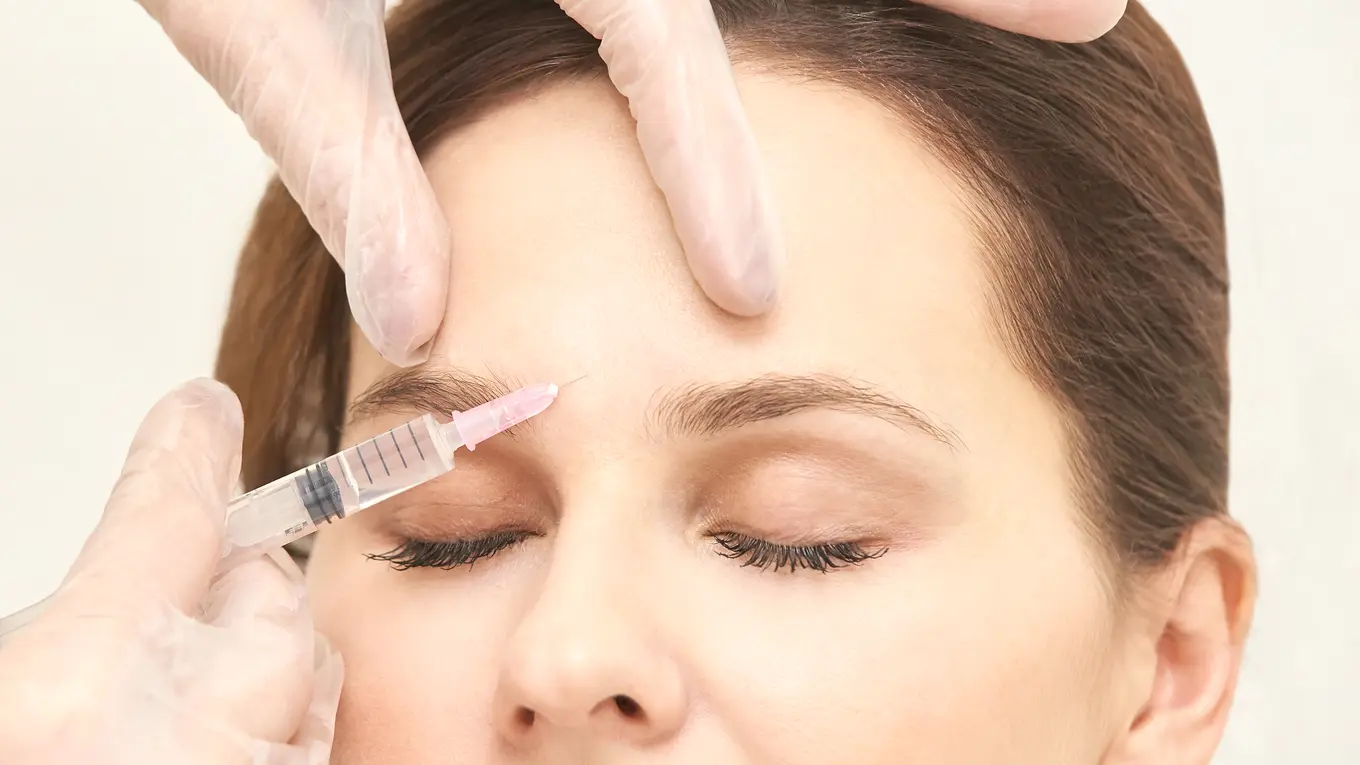
Under-eye filler can be a very good option in the right setting. The ideal candidate has decent skin elasticity and a true hollow in the tear trough caused by a lack of volume right there. When a skilled injector places a soft, appropriate hyaluronic acid filler in this spot, it is like placing a tiny, invisible support cushion under the skin. It lifts the depression, smooths the transition from the under-eye to the cheek, and softens the shadow.
This is a delicate area. The skin is the thinnest on your body, and there are a lot of blood vessels. You need an injector who understands the anatomy here. They should use a very light touch and a conservative amount of product to avoid lumps or a puffy, overfilled look. The goal is to restore, not to build a new shape. You want to look like a well-rested version of yourself.
When Something Else Should Come First
This is where a good consultation matters. If you go to a provider and they agree to inject your tear troughs within a few minutes, without looking at your whole face, that would concern me. In many cases, filler is not the best first move.
If the main issue is loose, thin skin, adding the weight of filler can make the area look baggy or puffy. The skin does not have the structure to hold the filler smoothly. For skin that has lost some of its bounce, you might first look into treatments that focus on firming. Taking a closer look at radiofrequency treatments or microneedling can help your body make new collagen, which strengthens the skin over time. Once the skin is in better condition, a small amount of filler might work very well as a finishing step.
And if the issue is a lack of cheek support, filling the trough directly is often backwards. In many faces, the best way to improve an under-eye hollow is to leave the under-eye alone at first. By placing filler in the upper cheeks in the right way, a provider can rebuild that support. This lifts the whole mid-face slightly. Think of pulling a sheet so it lies flat; it smooths what is below. Restoring the cheek can make the tear trough area look much less hollow, and sometimes that alone is enough.
A good consultation for your under-eyes should always involve a conversation about your cheeks.
Dark Circles Are Not the Same as Hollows
You also need to separate a shadow from a color issue. A true hollow is a shadow caused by the shape of your face, a literal dip in the skin. Filler can help with that shape. Dark circles are often about pigmentation. This can be brownish discoloration from sun or genetics, or a purplish tone from tiny blood vessels showing through thin skin. Filler does nothing for skin color. If your concern is pigmentation, you should be talking about options like lasers, chemical peels, or specific skincare ingredients with a licensed provider.
How to Approach Your Consultation
Now you know that under-eye "hollows" are more complicated than they seem. The way you use this is by changing what you ask for. Instead of walking in and saying, "I want under-eye filler," try, "I am concerned about the shadows under my eyes, and I want to understand what is causing them and what my best options are."
This opens the door for real discussion. Ask the provider to assess your whole face. Ask them to explain what they see. A good provider will have you hold a mirror and will point out how your cheeks and under-eyes affect each other. They might gently lift your cheek skin to show you how that changes the trough. They should be able to tell you clearly why they recommend a certain plan, whether it is cheek filler first, a skin treatment, or a careful approach to the tear trough itself. You are not there to agree to whatever is offered on autopilot. You are there to understand your face and make a choice that makes sense for you.