When you get Botox, or any neuromodulator, those little dots on your face are not random. A careful injector is not just staring at a line and trying to erase it. They are paying attention to the muscles under your skin and how they pull. Think of it like having a suit taken in. A tailor does not only measure your arm; they watch you move so the jacket still sits right when you reach for a bag or sit down. Injecting works in a similar way. It is a technical skill that depends on anatomy and also on how your face actually moves in real life.

It Starts With Your Face in Motion
At the beginning of a good appointment, you will not be lying still. The injector will have you talk and make expressions. They will ask you to lift your brows as high as you can, frown like you are upset or puzzled, and squint as if bright light is in your eyes. This is not a performance for their social media. This is the diagnostic part of your consultation.
As you move, they are watching which muscles fire, how strong they are, and whether your movements are even from side to side. That is how they build a mental map of how your face behaves, not just how it looks in a photo. Two people can have similar "eleven" lines at rest but very different muscle strength. Someone with a strong frown might need a different dose or placement than someone whose muscles are milder, even if the surface lines look almost the same.
Anatomy Is the Blueprint
Every face has its own quirks, but the underlying muscle system follows a pattern. An experienced injector knows that pattern cold. They know which muscles attach where and what each one does when it contracts.
The deep vertical lines between your brows come from the corrugator and procerus muscles pulling the brows together and slightly down. To soften those lines, the product has to go into those muscles so they relax. The horizontal forehead lines come from the frontalis, the muscle that lifts your brows. Crow's feet form when the orbicularis oculi, the ring-shaped muscle around your eye, contracts when you smile or squint.
Knowing exactly where these muscles sit and how they function helps prevent misplaced injections. Poor placement can cause results you do not want, like a droopy eyelid, and you should not feel shy about asking your provider how they avoid those issues.
The Goal: Balance, Not a Frozen Face
Many people worry about looking stiff or "done" after Botox. A responsible injector is usually trying to avoid that too. The aim is rarely to shut down facial movement completely. The point is to soften how hard the muscles pull so your expressions are less sharp and the skin does not crease as deeply.
This is where your preferences matter. During your consultation, say what you are aiming for. Do you want your lines as smooth as possible, or do you prefer a lighter touch that just makes you look a bit more rested? That conversation helps the provider choose how much product to use and where.
A smaller dose, sometimes called "baby Botox," can give a gentle softening while you still move normally. For some people that is enough; others want a stronger effect. Think of it like adjusting the dimmer on a light rather than flipping the switch off. You and your injector should be deciding that level together.
Thinking in Three Dimensions
Your facial muscles work in groups. One pulls up while another pulls down, and your expression is the result of that tug of war. A thoughtful injector looks at that whole pattern, not just one wrinkle.
The eyebrow is a good example. If an injector only treats the central part of the frontalis, which lifts the brows, the outer sections might still pull strongly. That can create a pointed or constantly surprised looking brow. Someone with more experience plans for this and might place a very small amount of product in specific spots so your brows keep a natural, softer arch.
They are thinking about cause and effect across your face: what happens to your brow when they treat your forehead, what happens to your smile when they treat near the eyes, how your features interact when you talk. The goal is a result that fits your face, not just a flat patch of skin where a line used to be.
Your Questions Are Part of the Process
You are not just a passenger in the chair. A useful consultation is an actual conversation, and you are allowed to slow things down and ask for clarity. If you do not understand why a certain area is on the plan, speak up. A good provider should be able to explain what they are aiming for in simple language.
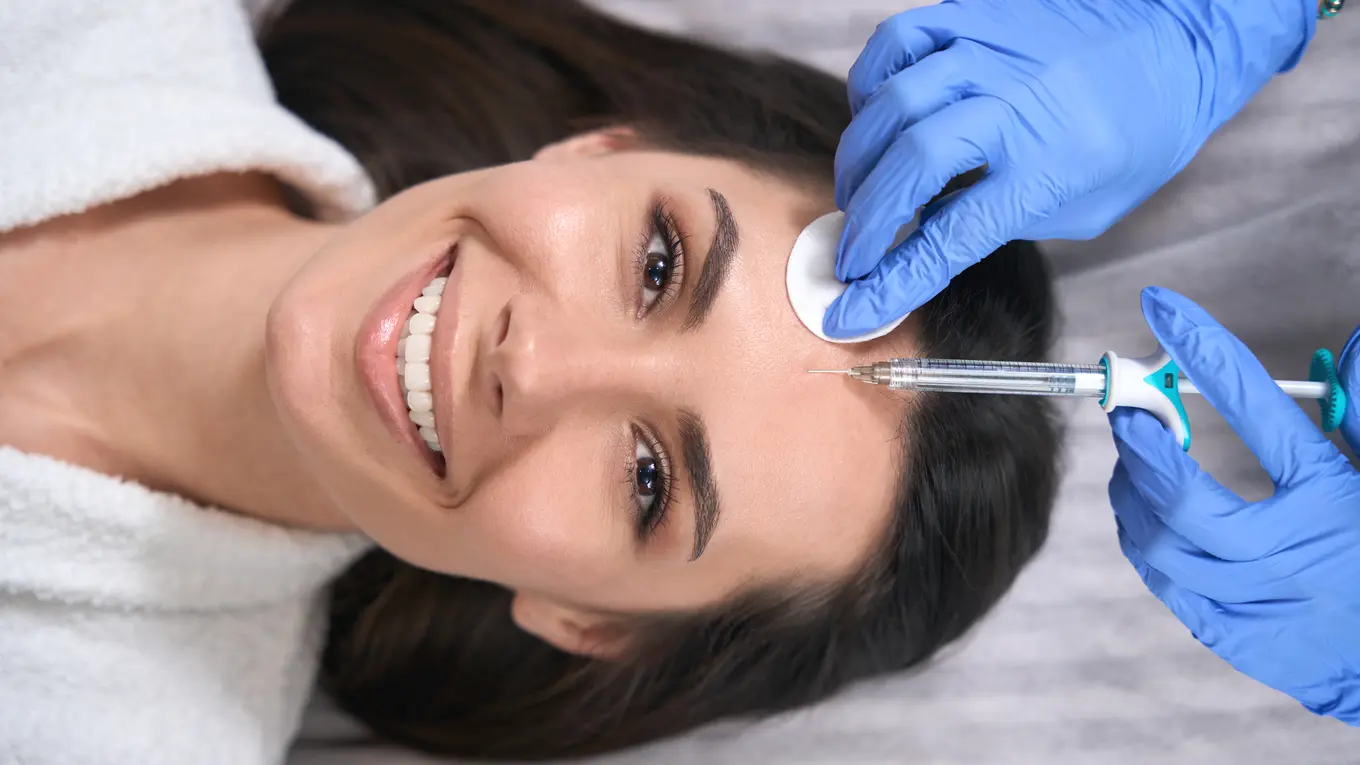
You might ask, "Why are you suggesting injections there?" or "How will that affect the expression I keep noticing?" They should be able to point to the muscle, explain what it does, and tell you what change they expect. A clear plan also helps when you are looking over the treatment prices, because you will know what each area means and what you are actually buying.
If someone rushes you, brushes off your questions, or makes you feel silly for asking, pay attention to that. This is your face. You are allowed to understand what happens to it.
For more general reading on cosmetic procedures, the American Society of Plastic Surgeons has patient information you can review on your own time. When you are ready, look for an injector who communicates clearly and is transparent about their plan, then work with that licensed provider to decide what makes sense for you and your comfort level.