Filler migration is when a dermal filler moves from where it was placed into a nearby area. You hear about it most with lip filler. You might notice a little shelf or puff above the top lip line that blurs the border, sometimes called a "filler mustache." Under the eyes, migration can show up as a persistent puffy bag or a bluish tint called the Tyndall effect, which happens when filler sits too close to the surface of the skin.

It is easy to mistake migration for the normal swelling you see right after an appointment. Swelling is your body's short-term response to the needles and product. It tends to be fairly even on both sides and fades within a couple of weeks. Migration shows up later, over weeks or months, and sticks around. That is the filler itself sitting in the wrong place, not just temporary fluid.
The Main Reasons Filler Moves
Filler migration is not what usually happens with injectables. When it does, there are a few common reasons. Knowing them helps you ask better questions and make more careful choices.
One major reason is simply using too much filler, either in one visit or by stacking treatment on top of old filler that never fully dissolved. Think of your facial tissue like a container. It can only hold a certain amount before it starts to push product out into nearby areas. If you overfill, the filler looks for the easiest space to move into. A careful injector will keep your doses conservative and aim for a natural change, because it is much easier to add a little more later than to fix overfilling.
The type of filler matters too. Different fillers behave differently. Some are thicker and hold shape for structure in areas like the cheeks or jawline. Others are softer and more flexible for areas that move a lot, like the lips. If a filler that is too thin or fluid is used where you actually need more structure, it can spread instead of staying put. Your provider should be able to explain why they picked a specific product for a specific spot, not just say they "always use" one brand.
Technique is another big factor. The injector has to place the filler at an appropriate depth and in the right layer of tissue. When filler is placed too close to the surface, you are more likely to see lumps, outlines, or migration. Your own anatomy matters as well. Skin that has thinned or loosened does not hold filler as well as skin with more support, so it may not keep the product where it was originally placed. In some cases, improving firmness is part of the long-term plan. That is essentially how skin tightening helps, using energy to nudge your skin to build fresh collagen. A good provider will factor in your skin quality at the consultation, not just where you want volume. If skin laxity is an issue, you can book a consultation for non-invasive firming options in Los Angeles and see whether that should be part of your plan.
Choosing an Injector Is Your Best Prevention
The most effective way to reduce your risk of filler migration is to be very selective about who injects you. This is not the time to chase the lowest price. What you are paying for is judgment, skill, and experience with real faces.
Treat your consultation like an interview. You are there to find out if you trust this person with your face and whether their style matches what you want. You should not feel rushed or brushed off. The provider should welcome questions and answer in plain language. Go in with a short list written down if that helps. Here are a few to keep on it:
"What type of filler are you recommending for me, and why did you choose it for this specific area?" "What is your strategy to make sure the area isn't overfilled?" "Can I see some before-and-after photos of your own patients who have had this exact treatment?"
Pay attention to how specific the answers are. A thoughtful injector will walk you through their plan and be honest about what filler can and cannot do for your face. Many will suggest building your result slowly over a couple of visits instead of trying to get a dramatic change all at once. That slower approach is one of the most reliable ways to get a natural result that stays where it is supposed to stay.
What to Do If You Suspect Migration
If you look in the mirror and think your filler has moved, pause before you spiral. Your next step is to book a follow-up with a qualified medical provider, either the one who treated you or another you trust for a second opinion.
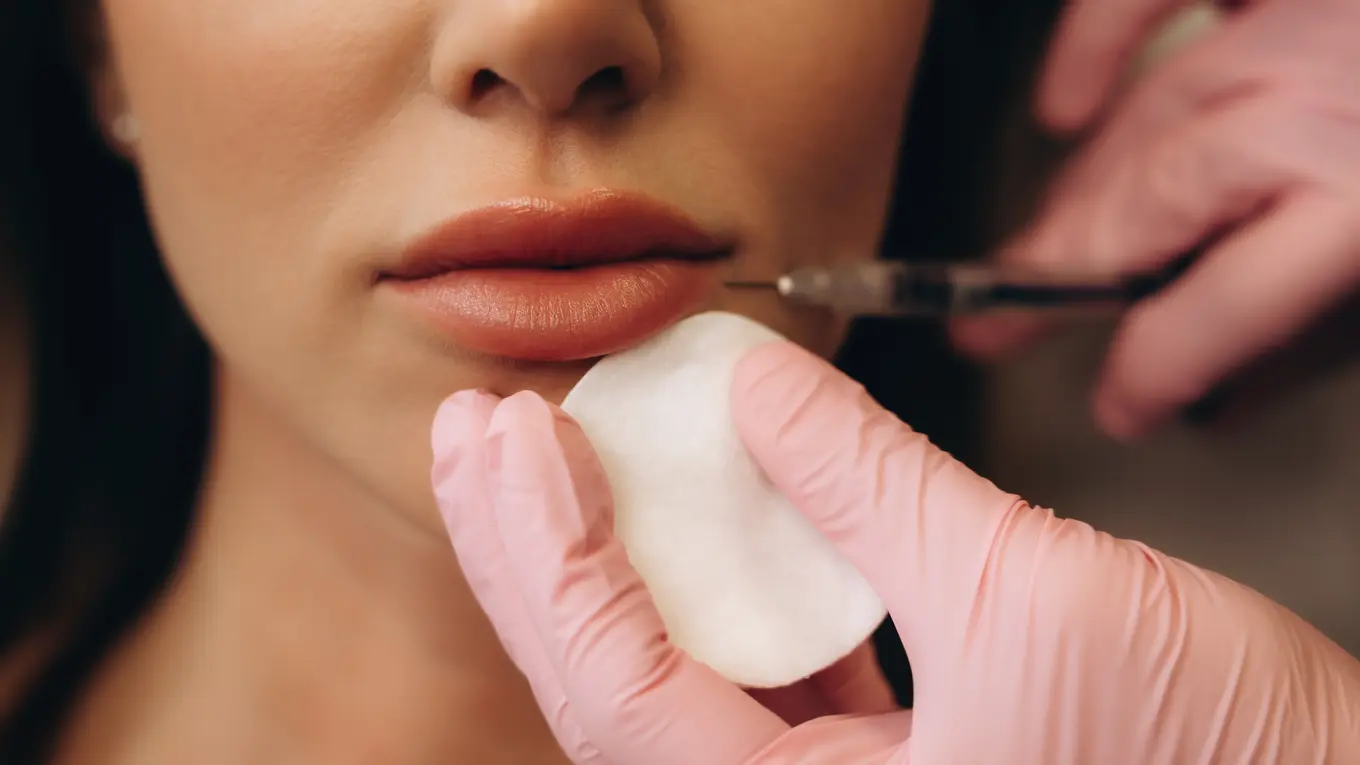
For most hyaluronic acid fillers, there is a clear fix. An enzyme called hyaluronidase can be injected to dissolve the filler. It breaks down the hyaluronic acid, and then your body absorbs and clears it. This is a detailed procedure that needs an experienced injector who understands facial anatomy and how to limit the effect to the product you actually want removed.
Once the filler is dissolved and the area has settled, you can decide whether to start again with someone whose approach makes you feel more comfortable. Many people do go on to refill with better results after a reset. The goal of any cosmetic treatment is for you to feel more like yourself when you look in the mirror, not less. Migration is frustrating, but with the right help it is almost always fixable.