Think about it like renovating a room. You handle the structural work first, then you paint the walls, and only after that do you hang the art. In skincare, deeper treatments that affect the skin's structure, like lasers or radiofrequency microneedling, are the renovation. Injectables are the finishing touches, the art you place once the room is ready. You want the canvas prepared before you start adding details.
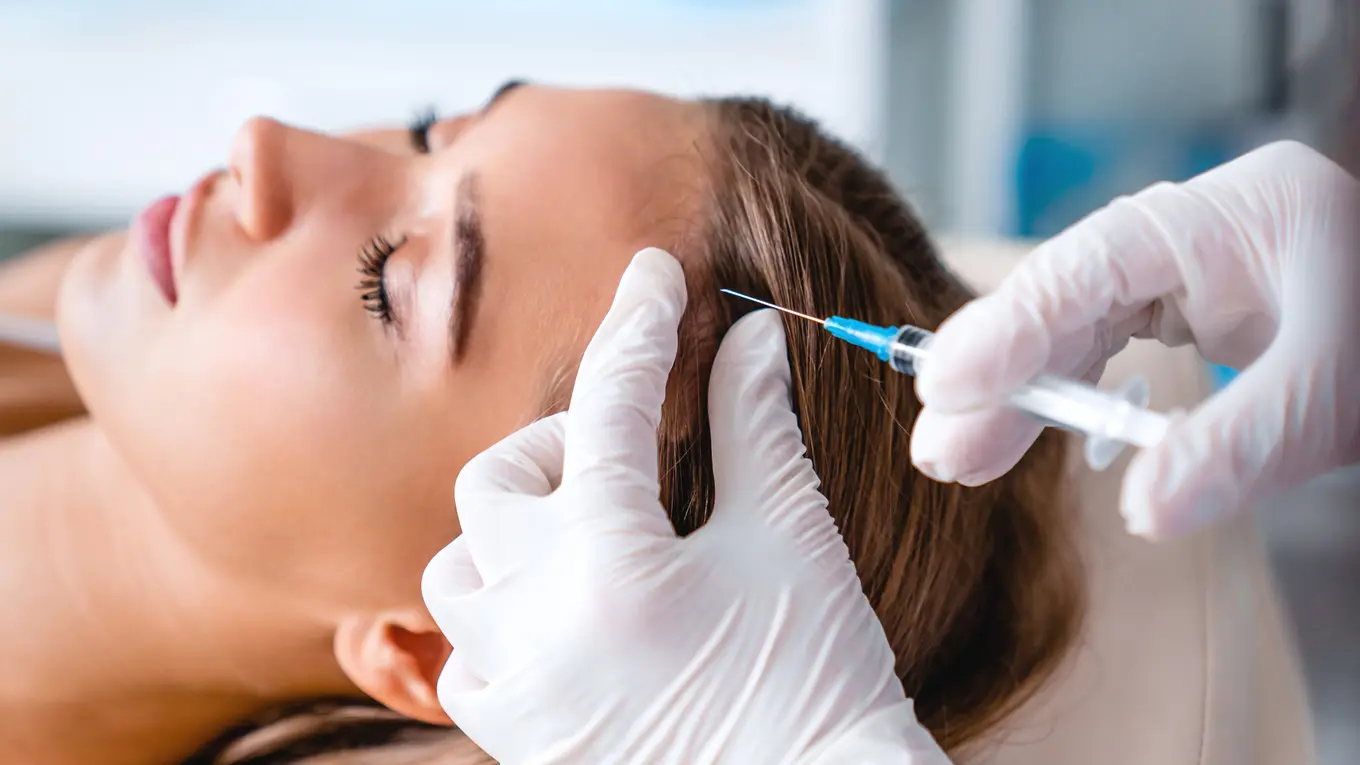
Procedures that involve heat, pressure, or controlled injury to the skin should almost always come before injectables like neuromodulators (Botox, Dysport) or dermal fillers. These treatments can cause swelling and inflammation. If you get filler and then immediately have a laser treatment, the heat and swelling could interfere with how that filler settles. You want your filler and Botox to settle into their final positions on calm, healed tissue, not on skin that is still reacting.
Lasers and Microneedling with Injectables
Lasers, radiofrequency, and microneedling are some of the most common treatments people pair with injectables. They work on skin texture, tone, and collagen, while injectables restore volume and relax lines. Together they can make a noticeable difference, but their timing matters.
If you get the skin treatment first, the path is simple. You complete your laser or microneedling session, let your skin fully heal, and then schedule your injectable appointment. Fully healed means the redness, swelling, and peeling are gone. This can take anywhere from a few days to a couple of weeks, depending on how intense the treatment was. Once your skin is back to normal, it is a stable canvas for your injector.
If you already have injectables and want a laser treatment, the waiting period is longer. You should wait at least two weeks after getting Botox or filler before having any treatment that uses significant heat or pressure. This gives the products time to fully integrate with your tissue. The main concern with heat-based devices is that they could potentially affect the longevity of your filler. Even if you are only planning a preventive botox plan, the timing still matters. Think of it as protecting your investment.
What About Facials?
A facial seems gentle enough, so where does it fit in? It depends entirely on the type of facial. If you're getting a very gentle, hydrating facial with no extractions or aggressive massage, you can often do it right before your injectable appointment on the same day. Think of it as cleaning the canvas.
However, you should never get a facial right after injectables. For at least a week, and ideally two, you need to avoid putting pressure on the treated areas. Facial massage, extractions, microdermabrasion, and even lying face down in a head cradle can potentially move filler or affect how your neuromodulator settles. Chemical peels should also be avoided until the injection sites are fully healed. A simple rule is to keep your skincare very basic for a few days after injections and postpone any professional facial treatments for two weeks.
Building Your Treatment Plan
A good med spa will not just perform treatments, they will help you plan. During your consultation, you should be able to map out a timeline that fits your goals, especially if you're preparing for a specific event. Your provider should give you a clear calendar. For example, a provider at Skin Anthology would walk through this with you during a consultation.
Here is a sample timeline if you were planning for a wedding or other big event:
- 3 to 6 Months Out: Begin a series of skin treatments like microneedling or a gentle laser. These often require multiple sessions spaced a month apart.
- 1 Month Out: Have your final skin treatment session. This gives your skin time to heal and for the collagen-building results to start showing.
- 2 to 3 Weeks Out: Schedule your injectable appointment. This allows time for Botox to take full effect and for any minor swelling or bruising from filler to disappear. It also gives you room for a follow-up appointment if any tweaks are needed.
- 1 Week Out: A gentle, calming, hydrating facial can give your skin a nice glow, but nothing more intense.
Questions for Your Provider
When you have your consultation, it helps to come prepared. Your provider should explain the scheduling, but you can feel more confident by asking a few direct questions. This keeps you and your provider on the same page about your goals and the plan to get there.
Do not hesitate to ask. It is your face and your budget. A clear plan helps you avoid scheduling things in an order that could compromise your results or waste a treatment.
Consider asking things like:
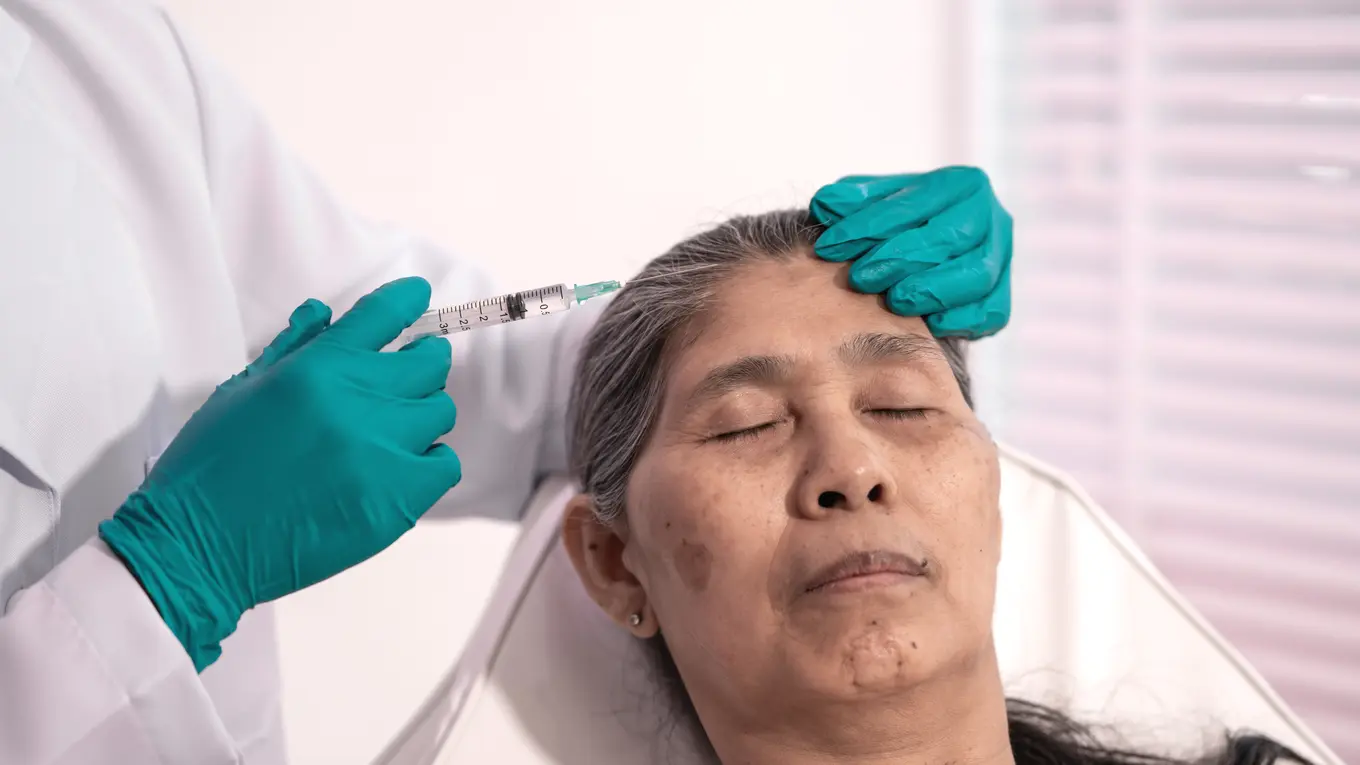
- Given the treatments we discussed, what is the ideal waiting period between each one?
- I have an event on this date. Can you help me work backward to create a schedule?
- After my injections, what specific treatments and activities should I avoid, and for how long?
These questions open up a conversation about the entire process, not just a single appointment. If you want more general information on different procedures, you can also look at resources from the American Society of Plastic Surgeons.
Coordinating treatments is a shared plan between you and your provider. When the order and timing are clear, each treatment can do its job without interfering with the others, and you get the full benefit from every procedure you choose.